ما هي الخصوصية على الإنترنت ولماذا يجب أن تهتم بها
خصوصيتنا على الإنترنت مهددة، لكن هناك الكثير مما يمكننا فعله لحماية أنفسنا


مشاركة
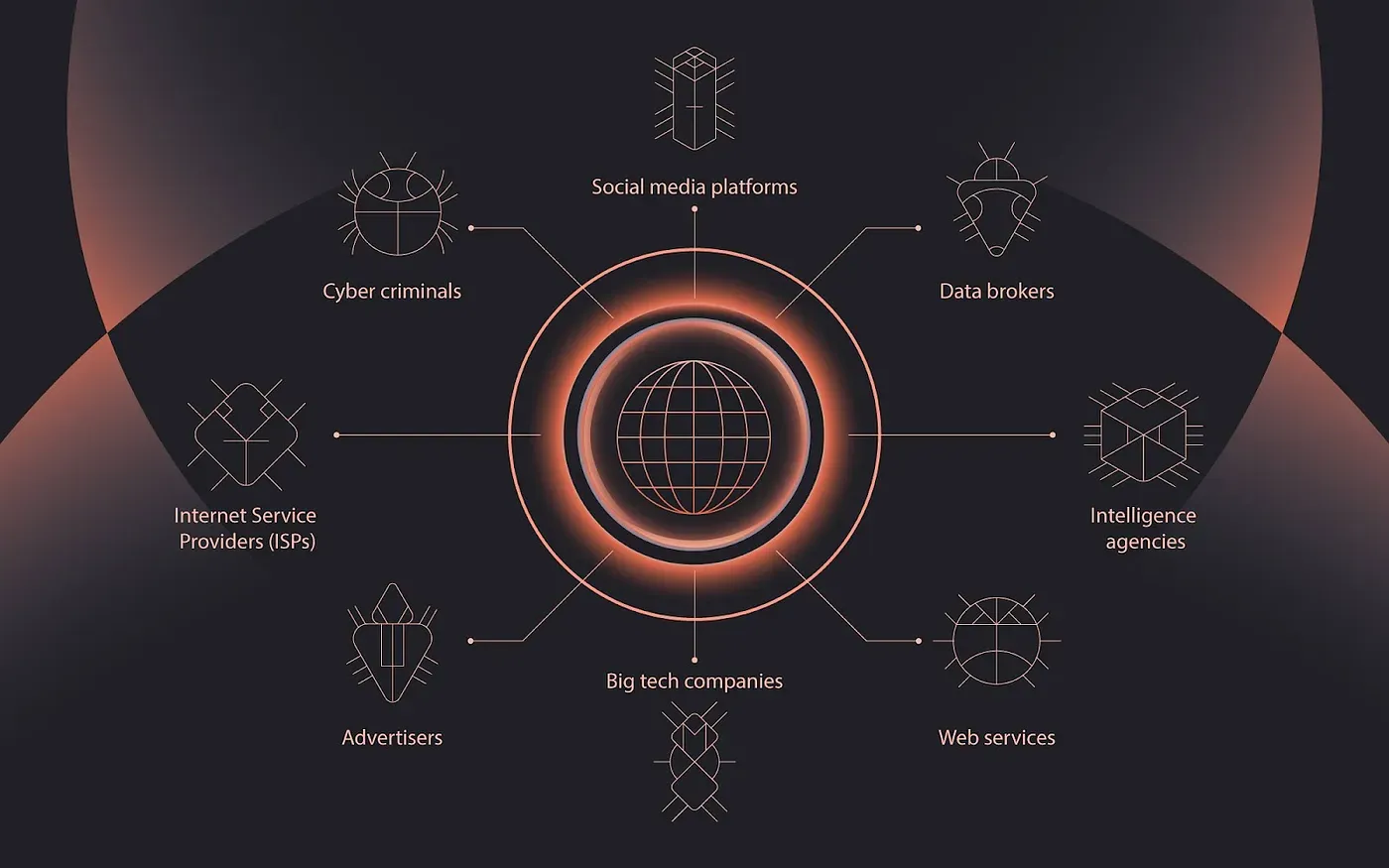
تدور أجزاء متزايدة من حياتنا اليومية عبر الإنترنت، وتصبح هذه الحياة أسهل بشكل متزايد بفضل أجهزة فردية مثل الهواتف الذكية. لكن ما قد لا نلاحظه بسهولة هو الطرق التي يتم بها انتهاك خصوصيتنا الشخصية والجماعية أمام أعيننا مباشرةً.
من الطبيعي أن نتوقع أن يكون ما نقوم به عبر الإنترنت خاصًا: عندما نتصفح الويب، أو نرسل بريدًا إلكترونيًّا إلى أحد أحبائنا، أو نقوم بعمليات شراء، فلماذا يجب أن يكون أي من هذه الأمور مختلفًا عن الذهاب إلى المكتبة، أو إرسال خطاب بالبريد، أو شراء شيء ما من متجر؟
يشرح هذا المقال الفكرة المتطورة لـ الخصوصية على الإنترنت، وأهميتها، وما هي التهديدات الرئيسية للخصوصية عبر الإنترنت.
ما هي خصوصية الإنترنت؟
الخصوصية على الإنترنت تشير إلى الحق في التحكم في البيانات الشخصية والأنشطة عبر الإنترنت والاتصالات. وهي تتضمن حماية المعلومات من التتبع، والمراقبة، والوصول غير المصرح به من قبل الشركات، والحكومات، ومزودي خدمات الإنترنت، والمجرمين الإلكترونيين من خلال التشفير، وأدوات إخفاء الهوية، وممارسات التصفح الآمنة.
أسئلة شائعة حول الخصوصية على الإنترنت
- ما أنواع المعلومات والأنشطة التي ينبغي اعتبارها «خاصة» عند مرورها عبر شبكة الويب «العامة» أو حدوثها عليها؟
- ما مدى مسؤولية شركة الويب، التي نشارك معها معلوماتنا الشخصية، عن حماية هذه البيانات التي تخزنها؟
- ما أنواع المعلومات التي يمكن لخدمات الويب مشاركتها مع أطراف ثالثة، وما الذي يجب منعها من مشاركته؟
الخصوصية على الإنترنت: الجهود القضائية
للخصوصية على الإنترنت تعريفات قانونية وقضائية. على الرغم من أن العديد من الدساتير تحمي الخصوصية الشخصية، إلا أن الخصوصية على الإنترنت كانت تفتقر إلى الرقابة عند إنشاء الويب، ولا تزال تشكل قضية قيد التطور.
تدرك الحكومات الآن أن الخصوصية على الإنترنت حق أساسي. في العقد الماضي، ارتقت خصوصية الإنترنت تدريجيًا إلى مستوى الاهتمام العام والقانوني، مما تطلب من الحكومات الاعتراف بها والعمل على حمايتها باعتبارها حقًا أساسيًا لمواطنيها. تعد التشريعات الحديثة مثل اللائحة العامة لحماية البيانات (GDPR) في الاتحاد الأوروبي، والتي تُعد أقوى قانون حكومي لحماية الخصوصية حتى الآن، خطوة مهمة إلى الأمام بلا شك.
ومع ذلك، فإن اللائحة العامة لحماية البيانات (GDPR) ذات طابع إقليمي، في حين أن الإنترنت عالمي. تقوم بعض الحكومات بمراقبة المواطنين بشكل نشط، وفرض الرقابة، ووضع أدوات الخصوصية مثل الشبكات الخاصة الافتراضية (VPNs) على القائمة السوداء، مما يحد من الوصول إلى المعلومات والحريات الرقمية.
ما هو VPN؟
أنواع البيانات عبر الإنترنت
هناك تصنيفان قانونيان عامان للبيانات المتعلقة بخصوصيتك على الإنترنت. كما سنرى أدناه، فإن الفرق بينهما جوهري ولكنه غير كافٍ أيضًا.
على سبيل المثال، إذا نشرت شيئًا ما على لوحة رسائل عبر الإنترنت باسم مستعار، فإن محتوى منشورك يُعتبر من الناحية الفنية غير تابع لمعلومات التعريف الشخصية (PII). وإذا نشر تحليل إحصائي بيانات حركة مرور المستخدمين المتصلين بموقع ويب معين بعد إزالة عناوين IP من مجموعة البيانات، فإن النتيجة تكون معلومات غير شخصية (non-PII). ولكن إذا كشفت عن اسمك الحقيقي في رسالة، فإن هذه المعلومات يمكن ربطها بعنوان IP الخاص بك وتصبح معلومات تعريف شخصية (PII).
مشكلة تسرب البيانات الوصفية
محتوى اتصالاتنا (وبالتالي الكثير من بياناتنا الشخصية) محمي في الغالب هذه الأيام، حيث أصبح التشفير من طرف إلى طرف هو القاعدة. ومع ذلك، في عصر الذكاء الاصطناعي، لا يكفي تشفير حركة المرور الخاصة بك على الإنترنت. ويرجع ذلك إلى الأنظمة المتطورة التي تقوم بجمع بياناتنا الوصفية وتحليلها وبيعها عبر الويب، عادةً دون علمنا وبممارسات موافقة مشكوك فيها (أو بدون موافقة على الإطلاق).
Metadata تعني تقنيًا «بيانات عن البيانات»، أو المعلومات المتعلقة بالرسالة في حالة الاتصالات. وتتضمن معلومات مثل:
- عناوين IP (ما هو الجهاز المتصل بأي خدمة عبر الإنترنت)، -الطوابع الزمنية (متى تم إرسال رسالة أو إجراء اتصال)
- Duration (مدة استمرار الاتصال)
- التكرار (عدد المرات التي تم فيها إجراء اتصال أو تواصل على مدار الوقت).
لذا، حتى لو لم يتمكن أحد من قراءة رسالتك الفعلية، فإن هناك الكثير من المعلومات حول ما تفعله على الإنترنت تتسرب من حركة المرور الخاصة بك.
على عكس البيانات المشفرة، لا تتمتع البيانات الوصفية بأي حماية قانونية. وعلى الرغم من أنها ليست بيانات شخصية بالمعنى الدقيق للكلمة، إلا أن وجود كميات كبيرة منها في أيدي أنظمة الذكاء الاصطناعي (AI) يمكن أن يتيح لها تحليلها لاستنتاج الكثير من المعلومات الشخصية عنا. ويمكن أن تشكل هذه المعلومات أساسًا لتهديدات الأمن السيبراني والقرصنة والرقابة.
ما هي البيانات الوصفية؟

مستقبل الخصوصية على الإنترنت
ربما هناك فكرة خاطئة شائعة مفادها أن الناس يحتاجون إلى خصوصية إضافية على الإنترنت لأنهم يخالفون القانون أو لديهم ما يخفونه. لكن هذا افتراض خاطئ. نظرًا للطرق المنهجية التي يتم بها جمع بيانات الجميع على مستوى العالم ومراقبتها واستغلالها، من الضروري اتخاذ تدابير دفاعية ذاتية لحماية الخصوصية.
سيظل هذا صراعًا مستمرًا مع تطور كل من تقنيات التتبع عبر الإنترنت وتقنيات الخصوصية جنبًا إلى جنب. لحسن الحظ، كما رأينا، هناك العديد من الخطوات الملموسة التي يمكننا جميعًا اتخاذها لحماية أنفسنا على الإنترنت.
NymVPN هنا لتزويدك بأداة حاسمة في هذا الصراع: شبكة VPN مبنية على شبكة مزج مبتكرة (Mixnet) لإخفاء هوية كل حركة المرور الخاصة بك على الإنترنت إلى أقصى حد.
سواء كنت تستخدم الوضع السريع ذي الخطوتين من Nym أو الوضع المجهول ذي الخمس خطوات الذي لا مثيل له لحركة المرور شديدة الحساسية، يمكن للمستخدمين تجنب المخاطر الأمنية التي تشكلها خدمات VPN المركزية. يتيح هذا الخيار للمستخدمين أيضًا التهيئة المخصصة لتحديد أي حركة مرور تحتاج إلى حماية قوية وأي أنشطة أقل حساسية (مثل الألعاب) تحتاج إلى سرعة أعلى.
الخصوصية على الإنترنت: الأسئلة الشائعة
الخصوصية متعددة الطبقات — تعمل شبكات VPN على تشفير حركة المرور وتوجيهها، بينما تحمي حماية المتصفح (مثل أدوات مكافحة البصمات الرقمية، وأدوات حظر البرامج النصية) من التتبع عبر المواقع والبصمات الرقمية للأجهزة.
تتيح أطر عمل DID الناشئة للمستخدمين المصادقة أو إجراء المعاملات باستخدام أسماء مستعارة دون الكشف عن هويتهم، مما ينقل السيطرة من السلطات المركزية إلى البروتوكولات التي يتحكم فيها المستخدمون.
نعم — يمكن أن تكشف أوقات الجلسات المتكررة، وتسلسل زيارات المواقع، وأحجام الحزم عن الهوية ما لم يتم استخدام أدوات إخفاء حركة المرور (مثل شبكات المزج أو حركة المرور التمويهية).
تحمي شبكات VPN حركة المرور عبر كل هذه الوسائل، لكن شركات الاتصالات قد تظل ترى البيانات الوصفية مثل سلوك الاتصال. تساعد شبكات Mixnets أو العقد الخروجية الدوارة على الحد من التنميط المستمر للبيانات الوصفية.
المشاريع التي تتمتع بعملاء مفتوح المصدر، وعمليات تدقيق من جهات خارجية، وأنظمة سمعة قابلة للتحقق تمنح المستخدمين ثقة قابلة للتحقق — وليس مجرد وعود في السياسات.
حول المؤلفين
كيسي فورد، دكتوراه
رئيس الاتصالاتآنيا م. بيوتروفسكا، دكتوراه
مراجعة فنية