

বিকেন্দ্রীভূত VPN বনাম প্রচলিত VPN: পার্থক্য কোথায়?
বেশিরভাগ VPN তাদের প্রতিশ্রুত গোপনীয়তা দিতে পারে না। বিকেন্দ্রীকরণ আসলে কী পরিবর্তন আনে, এবং আপনার VPN-এর গঠন কেন গুরুত্বপূর্ণ

শেয়ার করুন
বেশিরভাগ মানুষ অনলাইনে নিজেদের গোপনীয়তা রক্ষার জন্য VPN ব্যবহার করেন। সমস্যাটি হলো, প্রচলিত VPN-গুলো একটি স্ববিরোধী ধারণার ওপর ভিত্তি করে তৈরি: ইন্টারনেট থেকে আপনার কার্যকলাপ গোপন করতে, আপনি তা একটি কোম্পানির হাতে তুলে দেন এবং বিশ্বাস করেন যে তারা নজর দেবে না।
বিকেন্দ্রীভূত VPN (dVPN) একটি সম্পূর্ণ ভিন্ন পদ্ধতি অবলম্বন করে। কোনো একক প্রদানকারীর নিয়ন্ত্রিত সার্ভারের মাধ্যমে ট্র্যাফিক রাউটিং করার পরিবর্তে, তারা স্বাধীনভাবে পরিচালিত নোড ব্যবহার করে। এর ফলে বিশ্বাস, ব্যর্থতা এবং তথ্য সংরক্ষণের সেই মূল কেন্দ্রবিন্দুটি দূর হয়ে যায়, যা কেন্দ্রীভূত VPN-কে গোপনীয়তার ক্ষেত্রে একটি ঝুঁকিপূর্ণ বিষয় করে তোলে।
NymVPN আরও এক ধাপ এগিয়ে যায়। বিকেন্দ্রীভূত রাউটিং এবং একটি নয়েজ জেনারেটিং মিক্সনেট-এর সমন্বয়ের মাধ্যমে এটি শুধু আপনার ডেটাকেই নয়, আপনার মেটাডেটা-কেও সুরক্ষিত রাখে – অর্থাৎ সেই ট্র্যাফিক প্যাটার্নগুলোকে, যা প্রকাশ করে আপনি কার সাথে, কখন এবং কত ঘন ঘন কথা বলছেন।
প্রচলিত VPN কিভাবে কাজ করে?
একটি প্রচলিত VPN আপনার ইন্টারনেট ট্র্যাফিক এনক্রিপ্ট করে এবং প্রোভাইডারের নিয়ন্ত্রণাধীন একটি সার্ভারের মাধ্যমে রাউট করে। এটি আপনি যে সাইট দেখছেন তাদের কাছ থেকে আপনার IP address লুকিয়ে রাখে, কিন্তু প্রোভাইডার নিজে আপনার কার্যকলাপ দেখতে পারে — এটি তা আটকাতে পারে না। প্রোভাইডার সবকিছু দেখতে পায়, এবং তাদের নো-লগিং দাবি স্বাধীনভাবে যাচাই করার কোনো উপায় আপনার নেই।
প্রচলিত VPN কেন্দ্রীভূত: একটি কোম্পানি তার সমস্ত সার্ভার মালিকানাধীন বা ভাড়ায় নেয়, সমস্ত কোড নিয়ন্ত্রণ করে, এবং গোপনীয়তা সংক্রান্ত সমস্ত সিদ্ধান্ত একতরফাভাবে নেয়। এই মার্কেট দেখতে যতটা মনে হয়, তার চেয়েও বেশি সংহত। যেমন, Kape Technologies মালিকানাধীন VPN-এর তালিকাটি ক্রমশ দীর্ঘ হচ্ছে: ExpressVPN, CyberGhost, Private Internet Access। অ্যাপ স্টোরে কেনাকাটা ব্যবহারকারীরা ভাবতে পারেন এগুলো আলাদা আলাদা পণ্য, কিন্তু বাস্তবে এগুলো একই কোম্পানির সম্পত্তি।
একটি প্রচলিত VPN ব্যবহার করতে আপনাকে বিশ্বাস করতে হবে যে:
- প্রোভাইডার আপনার কার্যকলাপ মনিটর করছে না
- প্রোভাইডার তৃতীয় পক্ষের কাছে আপনার ডেটা বিক্রি করছে না
- ব্যবসা ও তার বিনিয়োগকারীদের সরকার বা ডেটা ব্রোকার-এর সাথে কোনো সংযোগ নেই
- কোডবেস সুরক্ষিত ও নিয়মিতভাবে রক্ষণাবেক্ষণ করা হচ্ছে
VPN প্রোভাইডারদের নো-লগিং পলিসি-এর প্রতিশ্রুতি দিয়ে পরে আইনি চাপে ব্যবহারকারীর ডেটা হস্তান্তর করার অনেক নথিভুক্ত ঘটনা রয়েছে। IPVanish, যা নিজেকে একটি “zero log” সার্ভিস হিসেবে প্রচার করেছিল, তারা 2016 সালে FBI-কে রিয়েল-টাইম কানেকশন লগ সরবরাহ করেছিল। PureVPN-এর নো-লগস গ্যারান্টি থাকা সত্ত্বেও 2017 সালে তারা ফেডারাল কর্তৃপক্ষের সাথে সহযোগিতা করেছিল। 283টি VPN অ্যাপ নিয়ে CSIRO-এর একটি গবেষণায় দেখা গেছে যে 18% ট্র্যাফিক এনক্রিপ্ট করত না এবং 38% ম্যালওয়ার বা ট্র্যাকিং কোড যোগ করত। 1
শেষ পর্যন্ত, বিশ্বাস কোনো গোপনীয়তার কোনো সুরক্ষা ব্যবস্থা নয়। আর্কিটেকচারই আসল বিষয়। তাহলে আপনার VPN আর্কিটেকচার কেমন?
বিকেন্দ্রীভূত VPN কী?
একটি বিকেন্দ্রীভূত VPN (বা dVPN) একটি একক কোম্পানির নিয়ন্ত্রণাধীন সার্ভারের পরিবর্তে স্বাধীনভাবে পরিচালিত নোডের মাধ্যমে এনক্রিপ্টেড ট্র্যাফিক রাউট করে। কোনো একক নোড, অপারেটর বা প্রতিষ্ঠান একই সাথে ট্র্যাফিক কোথা থেকে আসছে এবং কোথায় যাচ্ছে তা দেখতে পারে না। গোপনীয়তা কোনো কোম্পানির নীতিমালা দ্বারা নয়, নেটওয়ার্কের গঠন দ্বারা নিশ্চিত হয়।
বিকেন্দ্রীভূত VPN (dVPN) সংজ্ঞা: একটি ভার্চুয়াল প্রাইভেট নেটওয়ার্ক (VPN) যেখানে ট্র্যাফিক একটি একক কোম্পানির মালিকানাধীন সার্ভারের পরিবর্তে বহু স্বাধীন সার্ভারের মাধ্যমে রাউট হয়। বিকেন্দ্রীকরণ কেন্দ্রীভূত VPN-এর জন্য প্রয়োজনীয় একক আস্থার কেন্দ্রবিন্দু, ব্যর্থতার ঝুঁকি এবং লগিং ব্যবস্থা দূর করে। অনেক dVPN নোড অপারেটরদের পুরস্কৃত করতে ব্লকচেইন-ভিত্তিক প্রণোদনা ব্যবস্থা ব্যবহার করে।
ডিফল্টরূপে মাল্টি-হপ রাউটিং
প্রচলিত VPNগুলো একটিমাত্র সার্ভারের মাধ্যমে ট্র্যাফিক রাউট করে – যার অর্থ হলো, সার্ভারটি আপনার সম্পূর্ণ সেশনটি দেখতে পায়। dVPN ডিফল্টরূপে একাধিক স্বাধীন নোডের মধ্যে ট্র্যাফিক রাউট করে, তাই কোনো একক নোডের কাছে কখনোই সম্পূর্ণ চিত্রটি থাকে না। NymVPN-এর ফাস্ট মোড দুটি হপ ব্যবহার করে; বেনামী মোড পাঁচটি হপ ব্যবহার করে।
গুরুত্বপূর্ণ: কোন জিনিস একটি dVPN-কে প্রকৃত অর্থে বিকেন্দ্রীভূত করে তোলে?
একটি VPN সতিকার অর্থে বিকেন্দ্রীভূত হতে হলে, দুটি শর্ত পূরণ করতে হবে:
- এটি ডিফল্টরূপে মাল্টি-হপ, যেখানে ন্যূনতম দুটি স্বাধীন সার্ভার থাকে।
- এই সার্ভারগুলো একই ব্যক্তি বা সত্তার মালিকানাধীন বা নিয়ন্ত্রিত নয়।
সুতরাং, যদি কোনো VPN কোম্পানি ডাবল VPN-এর মতো কোনো ফিচার অফার করে, তবে দুটি সার্ভার ব্যবহার করার মানে এই নয় যে আপনার গোপনীয়তা বজায় থাকবে, কারণ একটি কোম্পানিই উভয় সার্ভারে আপনার ডেটা দেখতে পারে।
কোন কেন্দ্রীভূত লগিং নেই
যেহেতু নোডগুলো স্বাধীনভাবে পরিচালিত হয়, তাই কোনো কেন্দ্রীয় কর্তৃপক্ষ লগ সংগ্রহ করতে পারে না বা সেগুলো হস্তান্তর করার জন্য কারও দ্বারা বাধ্য হতে পারে না। NymVPN সার্ভারগুলো বিশ্বজুড়ে গোপনীয়তা-সচেতন ব্যক্তিদের দ্বারা পরিচালিত হয়, যারা ব্যবহারকারীদের ভালো পরিষেবা দেওয়ার জন্য পুরস্কার হিসেবে $NYM টোকেন পান। এমনকি কোনো বিদ্বেষী নোড অপারেটর ট্র্যাফিক লগ করার চেষ্টা করলেও, তারা কেবল একটি ছোট এনক্রিপ্টেড অংশ দেখতে পাবে, যার অর্থ বোঝার কোনো উপায় থাকবে না।
ওপেন-সোর্স ও নিরীক্ষণযোগ্য
প্রচলিত VPN-গুলো WireGuard-এর মতো ওপেন সোর্স প্রোটোকল ব্যবহার করতে পারে, কিন্তু এদের সামগ্রিক কোডবেস স্বত্বাধিকারযুক্ত। ব্যবহারকারীদের বিশ্বাস করতে হবে যে কোডটি নিরাপদ ও ভালোভাবে রক্ষণাবেক্ষণ করা হয় এবং স্বাধীনভাবে তা যাচাই করার কোনো উপায় নেই। dVPN সাধারণত ওপেন সোর্স হয়: যে কেউ এর বাস্তবায়ন পরিদর্শন, নিরীক্ষা এবং চ্যালেঞ্জ করতে পারে। কিন্তু এটা নিয়ম নয়: সবসময় যাচাই করুন!
NymVPN-এর কোড সর্বজনীনভাবে উপলব্ধ এবং এটি স্বাধীন নিরাপত্তা পর্যালোচনার মধ্য দিয়ে গেছে।
বিশ্বাসহীন নেটওয়ার্ক ব্যবস্থাপনা
প্রচলিত VPN-গুলো একটি কেন্দ্রীভূত সার্ভার ডিরেক্টরি বজায় রাখে: একটি কোম্পানিই ঠিক করে কী কী পাওয়া যাবে, এবং কীভাবে বা কেন তা হচ্ছে, সে বিষয়ে ব্যবহারকারীদের কোনো ধারণা থাকে না। NymVPN-এর নেটওয়ার্ক টপোলজি Nyx ব্লকচেইন এর মাধ্যমে পরিচালিত হয়। কোন নোডগুলো সক্রিয় থাকবে তা কোনো একক কর্তৃপক্ষ নিয়ন্ত্রণ করে না। নোড অপারেটররা তাদের পারফরম্যান্সের ভিত্তিতে $NYM টোকেন পুরস্কার অর্জন করেন এবং পুরো সিস্টেমে নির্ভরযোগ্যতা বজায় রাখার জন্য প্রতি ঘণ্টায় নেটওয়ার্ক রিক্যালিব্রেশন করা হয়।
NymVPN অন্য dVPN-এর চেয়ে কীভাবে এগিয়ে আছে?
অধিকাংশ বিকেন্দ্রীভূত VPN আপনার ট্র্যাফিকের বিষয়বস্তু সুরক্ষিত রাখে। NymVPN আপনার মেটাডাটা-ও সুরক্ষিত রাখে। এখন কৃত্রিম বুদ্ধিমত্তার সহায়তায় নজরদারি ব্যবস্থা চালু হওয়ায়, এটাই সমাধান করার জন্য আরও গুরুত্বপূর্ণ সমস্যা।
মেটাডেটা কী?
মূল বার্তাটি ছাড়া বাকি সবকিছুই হলো মেটাডেটা: আপনি কার সাথে, কখন, কতক্ষণ ধরে এবং কোথা থেকে যোগাযোগ করেছেন। আপনার যোগাযোগের ধরণ যদি দৃশ্যমান হয়, তাহলে আপনার বার্তাগুলো এনক্রিপ্ট করা থাকলেও কোনো লাভ নেই। শুধুমাত্র যোগাযোগের পুনরাবৃত্তি থেকেই একজন সাংবাদিকের সূত্র শনাক্ত করা যায়। একটিও বার্তা না পড়েই একজন কর্মীর নেটওয়ার্কের মানচিত্র তৈরি করা যায়। গোয়েন্দা সংস্থা ও AI-চালিত নজরদারি ব্যবস্থাগুলো মেটাডেটাকে ঠিক এই কারণেই লক্ষ্যবস্তু করে, কারণ এটি এনক্রিপশন ভেদ করেও টিকে থাকে।
মিক্সনেট AI নজরদারির বিরুদ্ধে প্রতিরোধ গড়ে তোলে
NymVPN-এর বেনামী মোড একটি ৫-হপ নয়েজ জেনারেটিং মিক্সনেট-এর মাধ্যমে ট্র্যাফিক রাউট করে: একটি এন্ট্রি গেটওয়ে, তিনটি মধ্যবর্তী মিক্স নোড যা এনক্রিপ্টেড প্যাকেটগুলোকে শাফেল ও পুনর্বিন্যাস করে, এবং একটি এক্সিট গেটওয়ে। মাস্ক টাইমিং প্যাটার্নগুলোতে কভার ট্র্যাফিক যোগ করা হয়। এই টপোলজি নিশ্চিত করে যে কোনো একক নোড একজন ব্যবহারকারীকে তার ট্র্যাফিকের সাথে সংযুক্ত করতে পারবে না, এবং এমনকি এআই-এর পক্ষেও নিশ্চিতভাবে আপনার রুটটি পুনর্গঠন করা অত্যন্ত কঠিন একটি কাজ হবে।
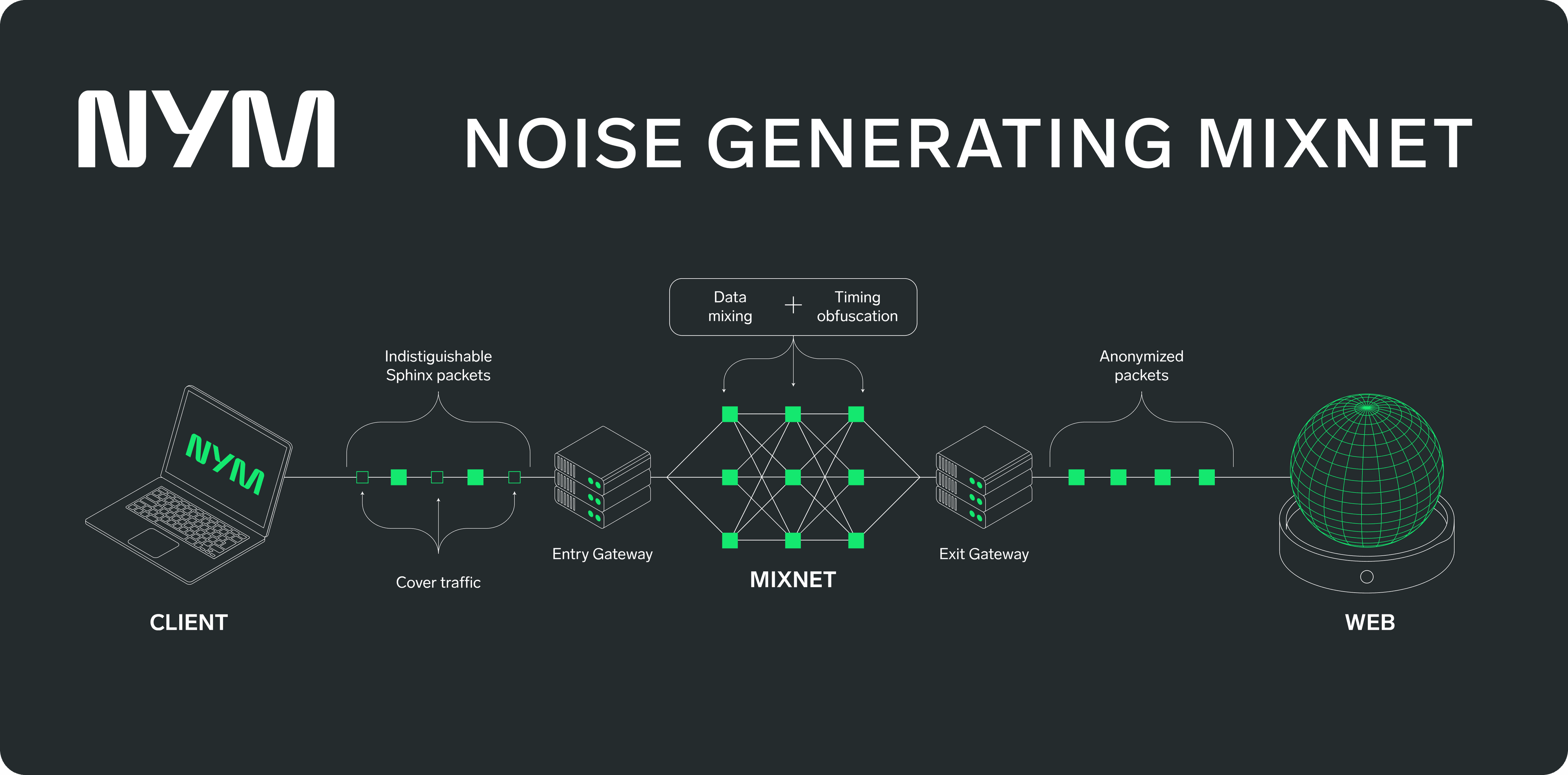
মিক্সনেট (বা মিক্স নেটওয়ার্ক) ব্যাখ্যা: এটি এমন একটি গোপনীয়তা নেটওয়ার্ক যেখানে এনক্রিপ্টেড প্যাকেটসমূহ একাধিক নোডের মধ্য দিয়ে এলোমেলোভাবে চালান করা হয়, এবং ট্র্যাফিক বিশ্লেষণ রোধ করতে ছদ্ম ট্র্যাফিক যোগ করা হয়। সাধারণ মাল্টি-হপ রাউটিংয়ের বিপরীতে, মিক্সনেট প্যাকেটগুলোকে পুনর্বিন্যাস করে এবং এমন টাইমিং ডিলে যোগ করে, যা ট্র্যাফিক প্যাটার্ন পুনর্গঠনকে গাণিতিকভাবে অসম্ভব করে তোলে।
শুধু গোপনীয়তাই নয়, গতিও
যেসব ব্যবহারকারী গতিকে বেশি প্রাধান্য দেন, তাদের জন্য NymVPN-এর ফাস্ট মোড WireGuard প্রোটোকলের একটি ফর্ক AmneziaWG-এর মাধ্যমে ২-হপ বিকেন্দ্রীভূত রাউটিং প্রদান করে। এটি যেকোনো প্রচলিত VPNএর চেয়ে অনেক বেশি গোপনীয় এবং এর সংযোগ কর্মক্ষমতাও প্রায় সাধারণ মানের।
তাহলে, আপনার কি dVPN দরকার?
প্রচলিত VPN গোপনীয়তা সমস্যাটি সমাধান না করে শুধু সরিয়ে দেয়। আপনার ISP-কে বিশ্বাস করার বদলে, আপনি একটি কোম্পানি-কে বিশ্বাস করতে বাধ্য হন। সাংবাদিক, আন্দোলনকর্মী এবং নজরদারির অধীনে থাকা যেকোনো ব্যক্তির জন্য—যাদের কাছে গোপনীয়তা কোনো পছন্দের বিষয় নয়, বরং একটি অপরিহার্য প্রয়োজন—এই পার্থক্যটি অত্যন্ত গুরুত্বপূর্ণ।
বিকেন্দ্রীভূত VPNগুলো তাদের ডিজাইনেই বিশ্বাসের কেন্দ্রীয় কেন্দ্রবিন্দুটি সরিয়ে দেয়। NymVPN এমন মেটাডেটা সুরক্ষা প্রদান করে যা কোনো প্রচলিত VPN বা সাধারণ dVPN দিতে পারে না। এটি শুধু ইতোমধ্যে তথ্য সংগ্রহকারী প্রতিপক্ষদের জন্যই নয়, বরং ভবিষ্যতের একটি ব্যক্তিগত ইন্টারনেটের জন্যও তৈরি করা হয়েছে।
তথ্যসূত্র
- [CSIRO, ICSI, UC Berkeley](https://www.icsi.berkeley.edu/icsi/news/2017/02/android-vp
dVPN বনাম কেন্দ্রীভূত VPN: প্রায়শই জিজ্ঞাসিত প্রশ্নাবলী
একটি dVPN একটি একক কোম্পানির সার্ভারের পরিবর্তে স্বাধীনভাবে পরিচালিত নোডের মাধ্যমে এনক্রিপ্টেড ট্র্যাফিক রাউট করে। কোনো একক নোড একই সাথে উৎস এবং গন্তব্য দেখতে পারে না, ফলে নকশা অনুযায়ীই কেন্দ্রীভূত লগিং ব্যবস্থা বিলুপ্ত করা হয়েছে।
হ্যাঁ।. প্রচলিত VPN বাস্তবিক সুরক্ষা দেয়, কিন্তু তার জন্য আপনাকে সমস্ত ট্র্যাফিক সহ একটি একক কোম্পানিকে বিশ্বাস করতে হয়। একটি dVPN সেই বিশ্বাসকে অনেক স্বাধীন নোডের মধ্যে বিতরণ করে, ফলে কোনো একক অপারেটর একটি সম্পূর্ণ সেশন লগ করতে পারে না। NymVPN বিকেন্দ্রীভূত রাউটিংয়ের পাশাপাশি মিক্সনেট-স্তরের মেটাডেটা সুরক্ষা যোগ করে।
সঠিকভাবে ডিজাইন করা একটি dVPN-এর মাধ্যমে কোনো একক সত্তার কাছে একজন ব্যবহারকারীকে শনাক্ত করার মতো যথেষ্ট তথ্য থাকে না। NymVPN-এর স্থাপত্য জিরো-নলেজ অপারেশন নিশ্চিত করে: এমনকি Nym-ও কোনো ব্যবহারকারীকে তার ট্র্যাফিকের সাথে সংযুক্ত করতে পারে না।
উভয়ই স্বাধীন নোডের মাধ্যমে মাল্টি-হপ রাউটিং ব্যবহার করে। Tor কোনো আর্থনৈতিক প্রণোদনা ছাড়াই স্বেচ্ছাসেবী নোডের উপর নির্ভরশীল, যা নির্ভরযোগ্যতাকে প্রভাবিত করে। dVPN ব্লকচেইন টোকেনের মাধ্যমে অপারেটরদের পুরস্কৃত করে। NymVPN অতিরিক্তভাবে ট্র্যাফিক ও টাইমিং গোপন করার সুবিধা প্রদান করে, যা Tor দেয় না।
মাল্টি-হপ রাউটিং কিছু ল্যাটেন্সি যোগ করে। NymVPN ভালো পারফরম্যান্সের জন্য অপারেটরদের উৎসাহিত করে, এবং ব্যবহারকারীরা তাদের সুরক্ষার স্তর বেছে নেন: ফাস্ট মোড (গতির জন্য অপ্টিমাইজ করা ২-হপ রুট) অথবা বেনামী মোড (সর্বোচ্চ গোপনীয়তার জন্য ৫-হপ মিক্সনেট)।
সরাসরি সংযোগের তুলনায় মাল্টি-হপ রাউটিং লেটেন্সি বাড়ায় এবং একটি বিকেন্দ্রীভূত নেটওয়ার্ক জুড়ে নোডের গুণমান ভিন্ন ভিন্ন হয়। এছাড়াও, বড় কেন্দ্রীভূত প্রদানকারীদের তুলনায় dVPN-গুলোর সার্ভার নেটওয়ার্ক সাধারণত ছোট হয়, যা স্ট্রিমিং অ্যাক্সেসকে প্রভাবিত করতে পারে। NymVPN টোকেন-ভিত্তিক প্রণোদনার মাধ্যমে নির্ভরযোগ্য অপারেটরদের পুরস্কৃত করে পারফরম্যান্সের বিষয়টি নিশ্চিত করে এবং ব্যবহারকারীদের গতি (ফাস্ট মোড) ও সর্বোচ্চ গোপনীয়তা (বেনামি মোড)-এর মধ্যে যেকোনো একটি বেছে নেওয়ার সুযোগ দেয়।
dVPN কেন্দ্রীয় ডেটা স্টোর ব্যবস্থা দূর করে, যা তলব বা বাজেয়াপ্ত করা যেতে পারে। NymVPN-এর মিক্সনেট আরও এক ধাপ এগিয়ে গিয়ে ট্র্যাফিকের ধরণকে এমনকি অত্যাধুনিক নেটওয়ার্ক-স্তরের প্রতিপক্ষের কাছেও অদৃশ্য করে তোলে। মনে রাখবেন যে VPN-এর আইনগত বৈধতা দেশভেদে ভিন্ন, তাই আপনি যেখানে আছেন সেখানকার স্থানীয় নিয়মকানুন যাচাই করে নিন।
লেখকদের সম্পর্কে
Casey Ford, PhD
যোগাযোগ প্রধানবিষয়সূচি
আরো পড়ুন...
NymVPN-এর দাম উল্লেখযোগ্যভাবে কমলো: সবার জন্য একটি মুক্ত ইন্টারনেটের লড়াইয়ে আমরা
সেন্সরশিপের বিরুদ্ধে লড়াই করতে এবং একটি উন্মুক্ত ও ব্যক্তিগত ইন্টারনেট গড়ে তুলতে বিশ্বজুড়ে মানুষের কাছে NymVPN সহজলভ্য করে তোলা।