Ein VPN verschleiert Ihre IP-Adresse
Der Kern des VPN-Schutzes besteht darin, Ihre IP-Adresse (Internet Protocol) zu verbergen – eine eindeutige Kennung für Ihr Gerät, wenn Sie über Ihren Internetdienstanbieter (ISP) eine Verbindung zum Internet herstellen. Ihre IP-Adresse gibt bestimmte Informationen über Sie preis, wie z. B. Ihren Internetdienstanbieter, Ihren Gerätetyp und Ihren ungefähren Standort.
Mit einem VPN wird Ihr Datenverkehr zunächst über dessen Server geleitet, wodurch Ihre persönliche IP-Adresse durch die des VPN ersetzt wird. Dies kann dazu beitragen, Ihren Datenverkehr zu anonymisieren, während Sie eine Verbindung zum Internet herstellen. Wie wir sehen werden, reicht eine einfache IP-Verschleierung nicht aus, um Sie vor allen Überwachungsbedrohungen zu schützen, selbst vor Hackern.
Ein VPN sollte Ihre Daten verschlüsseln
Der VPN-Schutz beginnt mit der Verschlüsselung der Daten, bevor Ihr Datenverkehr Ihr Gerät verlässt. Ein VPN-Tunnel sichert die Daten zwischen Ihrem Gerät und dem VPN-Server und stellt sicher, dass nur diese Endpunkte sie entschlüsseln können. Im Falle einer Abfangung bleiben die Daten unlesbar. Während Protokolle wie HTTPS die meisten Webverbindungen verschlüsseln, bietet ein VPN zusätzliche Sicherheit. Allerdings werden Metadaten – wie Verbindungszeiten, Standorte und Kontakte – nach wie vor durch die Verschlüsselung hindurchgesickert und offenbaren Kommunikationsmuster gegenüber Dritten.
Erfahren Sie mehr in Nyms Leitfaden zu Verschlüsselungsprotokollen mit einem VPN.
Standortauswahl
Mit einem VPN sollten Sie auswählen können, an welchem Standort (z. B. in welchem Land) sich Ihr VPN-Server befindet. Deinem Datenverkehr wird eine IP-Adresse an diesem Standort zugewiesen, sodass es so aussieht, als würdest du von dort aus auf das Internet zugreifen. Dies ist nützlich, um Zensurbeschränkungen zu umgehen oder einfach auf geografisch eingeschränkte Inhalte zuzugreifen, wobei die Wirksamkeit von den lokalen Beschränkungen abhängt.
Erweiterte VPN-Features
Einige VPNs bieten zusätzliche Funktionen, mit denen sich der Datenschutz und die Sicherheit verbessern lassen oder die Art und Weise, wie Daten vom VPN verarbeitet werden, individuell angepasst werden kann. Hier sind einige wichtige Funktionen, auf die Sie achten sollten:
- Kill Switch: Unterbricht sofort Ihre Internetverbindung, wenn die VPN-Verbindung unterbrochen wird, und verhindert so eine ungeschützte Exposition.
- Split-Tunneling: Ermöglicht es Nutzern, bestimmten Datenverkehr über das VPN zu leiten und andere Aktivitäten davon auszuschließen, wodurch ein Gleichgewicht zwischen Sicherheit und Leistung hergestellt wird.
- DNS-Leak-Schutz: Stellt sicher, dass alle DNS-Anfragen über den verschlüsselten Tunnel des VPN statt über Ihren Internetanbieter laufen, wodurch versehentliche Datenlecks verhindert werden.
- Multi-Hop-Routing: Leitet den Datenverkehr über mehrere Server weiter und verschleiert dabei IP-Adressen und andere Metadaten mehrfach. Hinweis: Einige VPN-Dienste bieten „Double-VPN“- oder 2-Hop-Modi an, doch diese werden weiterhin von einer einzigen Instanz kontrolliert, wodurch diese Optionen weniger privat sind als andere, wirklich dezentrale VPN-Lösungen.
- Zensurresistenz: Ändert die Struktur von Daten und Datenverkehr, um zu verhindern, dass Ihr Datenverkehr aufgrund der Nutzung eines bekannten VPN gezielt identifiziert und blockiert wird.
- Werbeblocker: Fängt bekannte Werbeanzeigen ab und blockiert sie, bevor sie eine Verbindung zu Ihrem Gerät herstellen.
- Nicht verknüpfbare Zahlungen: Stellt sicher, dass Ihre Nutzung des VPN nicht mit Ihren Zahlungsdaten in Verbindung gebracht werden kann.
Wozu brauchst du überhaupt ein VPN?
Wozu dient ein VPN überhaupt und wer braucht eines? Die kurze Antwort: Jeder, der seine Privatsphäre im Internet schützen möchte oder auf Inhalte zugreifen muss, die an einem bestimmten Standort möglicherweise gesperrt sind.
- Anonym surfen: Nichts, was wir online tun, ist privat. Es gibt Akteure und Systeme, die unsere Metadaten auf Schritt und Tritt verfolgen, sammeln, verkaufen und kaufen. Diese Überwachungsakteure reichen von Websites über Datenbroker, die Profile von uns erstellen, bis hin zu Regierungs- und Geheimdiensten sowie Cyberkriminellen, die nach finanziellen Schwachstellen suchen.
- Privat kommunizieren: Selbst bei der Nutzung von End-to-End-verschlüsselten Messaging- oder E-Mail-Diensten können Metadaten von Unterhaltungen detaillierte Einblicke in unsere Kommunikationsmuster, Kontakte und Standorte preisgeben.
- Zugriff auf im Ausland gehostete Inhalte: Die Inhalte im Internet werden zunehmend fragmentiert. Ob es sich nun um abonnierte Streaming-Inhalte oder um Nachrichten über das Weltgeschehen handelt – der Zugriff darauf hängt stark davon ab, in welchem Land wir uns befinden und was dort von den Regierungen blockiert wird oder nicht.
- Sicher transagieren: Finanzielle Vermögenswerte, Dienstleistungen und Transaktionen im Internet sind nach wie vor ein Hauptziel für Cyberkriminelle und Hacker. Zudem sind Kryptowährungen selbst nicht wirklich anonym und können mithilfe von Metadaten-Überwachungstools nachverfolgt werden.
- Zensur überwinden: Milliarden Menschen weltweit leben unter strengen Zensurbeschränkungen, die den Zugang zu wichtigen Informationen im Internet einschränken.
Ein VPN kann bei diesen vielfältigen Anforderungen helfen, doch der Erfolg hängt von der Art des VPNs ab. Schauen wir uns also an, was derzeit verfügbar ist.
Arten von VPNs
Es gibt zwei allgemeine Arten von VPN-Architekturen:
- Traditionelle (oder zentralisierte) VPNs
- dezentralen VPNs (dVPNs)
Der Unterschied zwischen zentralisierten und dezentralisierten VPNs beruht darauf, wie viele physische Server zum Leiten Ihrer Daten verwendet werden, wer diese kontrolliert und wie die Daten während der Übertragung behandelt werden. Schauen wir uns das also einmal genauer an.
Zentralisierte VPNs
Die meisten VPNs nutzen zentralisierte Infrastrukturen, was bedeutet, dass Ihr Datenverkehr über einen einzigen VPN-Server weitergeleitet wird, der einem Anbieter gehört oder von diesem gemietet wird. Ein Unternehmen wickelt somit Ihren gesamten Datenverkehr an einem Ort ab, um Ihre IP-Adresse zu verschleiern. Das bedeutet, dass Ihre Online-Aktivitäten möglicherweise vom VPN-Anbieter selbst protokolliert oder aufgezeichnet werden. Wenn Verkehrsdaten auf einem einzigen Server gespeichert werden, entstehen Datenschutzrisiken durch mögliche Sicherheitsverletzungen oder behördliche Anfragen.
Viele VPNs behaupten, eine „No-Logs“-Richtlinie zu verfolgen, doch die Details variieren. Einige speichern „Betriebsprotokolle“ wie IP-Adressen, während andere ausgewählte Daten an Marketingpartner weitergeben. Da zentralisierte VPNs potenziell Zugriff auf Ihre Metadaten haben, hängt Ihre tatsächliche Privatsphäre davon ab, ob Sie deren Richtlinien vertrauen.
dezentralen VPNs (dVPNs)
Dezentrale VPN-Technologie wurde entwickelt, um dieses erforderliche Vertrauen zu umgehen. Ein dVPN sollte es strukturell unmöglich machen, dass alle Ihre Verkehrsdaten jemals an einem einzigen physischen Ort protokolliert werden können.
Die Dezentralisierung erfordert mindestens zwei unabhängige Server, um Ihren Datenverkehr weiterzuleiten. Echte Dezentralisierung entsteht durch das Fehlen eines zentralen Schwachpunkts oder Angriffspunkts. Sollte ein Server kompromittiert oder böswillig sein, wird nur ein Teilbild Ihres Datenverkehrs offengelegt. Das Kompromittieren mehrerer Server zur Erstellung eines vollständigen Verkehrsprotokolls wird mit steigender Serveranzahl exponentiell schwieriger.
Es lohnt sich außerdem, mehr über Hardware- und Software-VPNs zu erfahren, um zu verstehen, wie sich die Art der Einrichtung auf Kontrolle, Datenschutz und Skalierbarkeit auswirken kann.
Wie funktioniert ein VPN?
Wie wir gesehen haben, gibt es sehr unterschiedliche Arten von VPN-Architekturen, wobei die große Mehrheit zentralisiert ist. Dies hat erhebliche Auswirkungen auf den Datenschutz der Nutzer. Schauen wir uns also an, was mit Ihrem Traffic passiert, wenn er diese verschiedenen Modelle durchläuft.
Traditionelles VPN-Routing
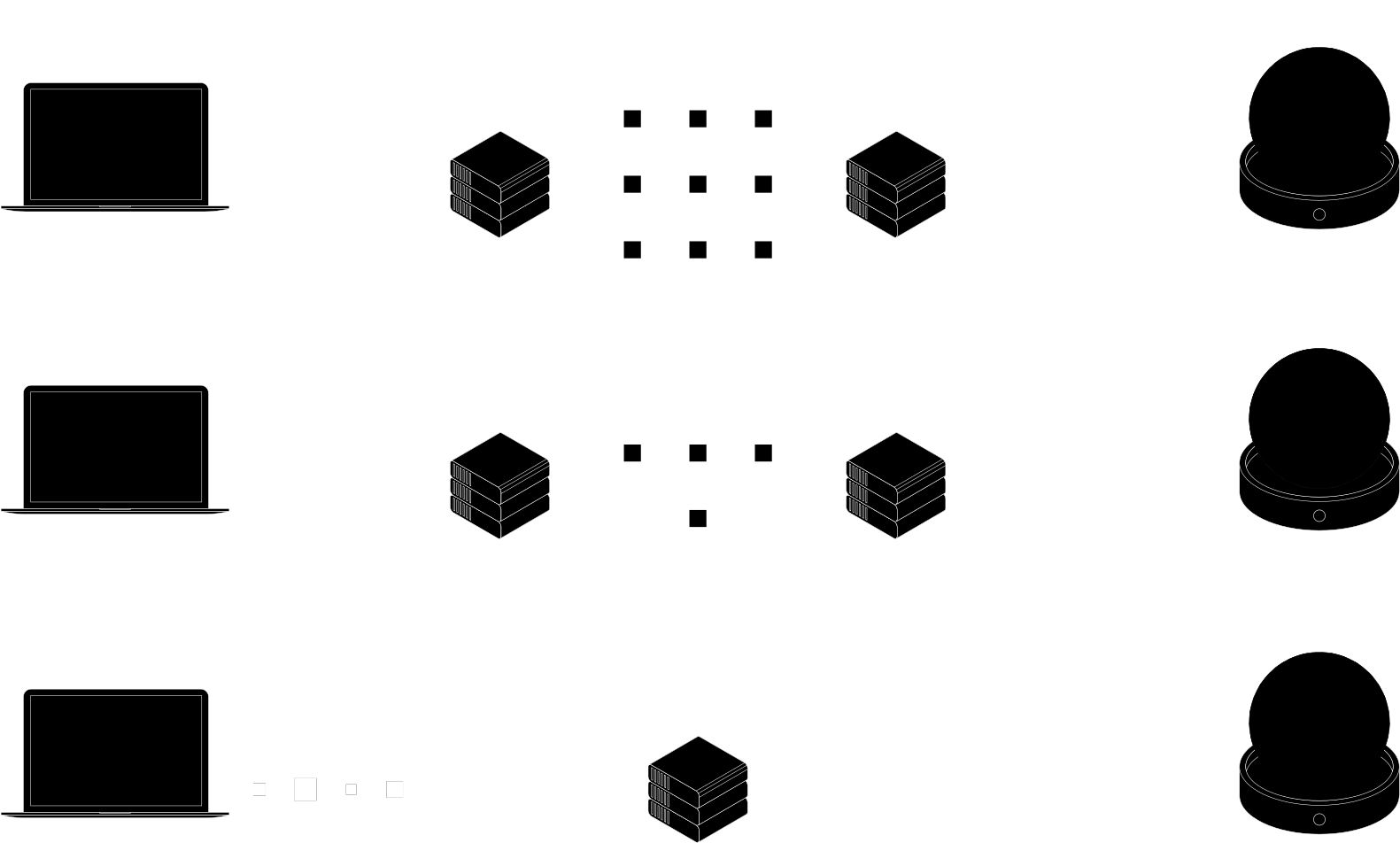
Bei einem herkömmlichen VPN-Dienst sollte Ihr Datenverkehr zunächst auf Ihrem Gerät verschlüsselt werden, bevor er zum einzigen VPN-Server getunnelt wird. Dort wird die mit Ihrem Datenverkehr verknüpfte IP-Adresse durch die eigene öffentliche IP-Adresse des VPN ersetzt und der Datenverkehr entschlüsselt, um zu ermitteln, wohin Ihre Anfrage gesendet werden soll. Wenn Ihr Datenverkehr sein endgültiges Ziel erreicht, wird er so dargestellt, als stamme er vom VPN-Server.
Aber wer sieht Ihre Identität genau? Bei diesem Ein-Hop-Modell ist das VPN der einzige Vermittler für Ihren Datenverkehr, sodass es sowohl Ihre IP-Adresse als auch die IP-Adresse desjenigen oder dessen, mit dem Sie sich verbinden, sieht. Der Empfänger sieht jedoch nur die IP-Adresse des VPN. Dies bietet Ihnen eine einfache Form des IP-Schutzes im Verhältnis zu einem Empfänger im öffentlichen Web.
dVPN-Routing
Mit einem dVPN wird Ihr Datenverkehr über mindestens zwei unabhängige Server geleitet. Der erste sieht Ihre IP-Adresse, aber nicht Ihr Ziel, während der zweite Ihr Ziel sieht, aber nicht Ihre echte IP-Adresse. Im Gegensatz zu zentralisierten VPNs stellen dVPNs sicher, dass kein einzelner Standort Ihren gesamten Datenverkehr protokolliert. Bei NymVPN ist Datenschutz bereits in das Design integriert.
Was VPNs nicht tun
Hochwertige VPNs können zweifellos viel dazu beitragen, unsere Privatsphäre und Anonymität im Internet zu verbessern, doch diese Fähigkeiten hängen stark vom VPN-Anbieter und der Architektur seines Netzwerks ab. Darüber hinaus gibt es Dinge, die VPNs einfach nicht leisten können, sowie spezifische Schwachstellen der einzelnen Dienste.
Was kein VPN leisten kann
- Schützen Sie Ihr Gerät zu 100 %: VPNs können viel dazu beitragen, Ihre Daten während der Übertragung vor Hackerangriffen zu schützen. Sie können Ihr Gerät jedoch nicht davor schützen, überhaupt erst kompromittiert zu werden. Sollte sich bereits Malware oder Spyware auf Ihrem Gerät befinden, können weder VPN-Verschlüsselung noch Proxyserver Ihre Privatsphäre und Sicherheit gewährleisten.
- Stellen Sie selbst eine End-to-End-Verschlüsselung bereit: Ihr Datenverkehr wird nur dann durchgehend verschlüsselt, wenn Ihre ursprüngliche Verbindung verschlüsselt ist (z. B. über eine HTTPS-Verbindung). Die VPN-Tunnelverschlüsselung verschlüsselt Ihre Daten nur auf dem Weg zwischen Ihrem Gerät und dem VPN-Server. Sobald die Daten auf dem Server angekommen sind, wird diese Verschlüsselungsebene entfernt, wodurch sichtbar wird, wohin Ihre Daten im öffentlichen Web gesendet werden. Ohne zuvor eingerichtete HTTPS- oder SSL/TLS-Verschlüsselung werden Ihre Daten zwischen dem VPN-Server und dem Zielort unverschlüsselt, vollständig lesbar und ausnutzbar übertragen.
Was herkömmliche VPNs nicht leisten
- Protokollierung des Datenverkehrs unmöglich machen: Zentralisierte VPNs können zwar versprechen, keine Protokolle über unseren Datenverkehr zu führen, doch da ihre Server Zugriff auf den gesamten Verlauf unserer Online-Aktivitäten haben, sind wir letztendlich auf unser Vertrauen in sie angewiesen. dVPNs wie NymVPN lösen dieses Problem mit einem Netzwerkdesign, das keine Protokollierung zulässt.
- Schützen Sie Ihre Metadaten: Metadaten sind Informationen über Informationen, wie beispielsweise Ihre IP-Adresse, wann und wo Sie Daten senden und an wen. Diese Metadaten werden nicht durch zentralisierte VPN-Verschlüsselungsprotokolle geschützt: Sie werden von diesen weitergegeben.
- Garantie gegen Datenlecks: Kein Sicherheitssystem ist absolut narrensicher, und Datenserver bilden da sicherlich keine Ausnahme. VPN-Server sind ein häufiges und lohnendes Ziel für Cyberangriffe, da sie potenziell die Daten von Millionen von Nutzern an einem Ort enthalten. Somit können alle Daten, die ein VPN-Anbieter speichert, potenziell offengelegt werden.
- Schutz vor Überwachung: KI-Überwachungssysteme sind in der Lage, Nutzeraktivitäten und -muster nachzuverfolgen, indem sie VPN-Netzwerke durch End-to-End-Korrelationsangriffe und Datenverkehrsanalyse überwachen. Dadurch bieten zentralisierte VPNs nur einen unzureichenden Schutz.
Schutz vor staatlicher Einmischung. Es ist bekannt, dass Regierungen und Strafverfolgungsbehörden Verkehrs- und Abonnementdaten von VPN-Nutzern anfordern. Befindet sich ein VPN-Dienst innerhalb des rechtlichen Geltungsbereichs einer staatlichen Überwachungsanordnung, wie beispielsweise im 14-Eyes-Netzwerk, kann er rechtlich dazu verpflichtet werden, alle Aufzeichnungen offenzulegen.