

Was ist Dezentralisierung?
Prinzipien und Technologien für Freiheit, Machtregulierung und Autonomie heute verstehen


Teilen
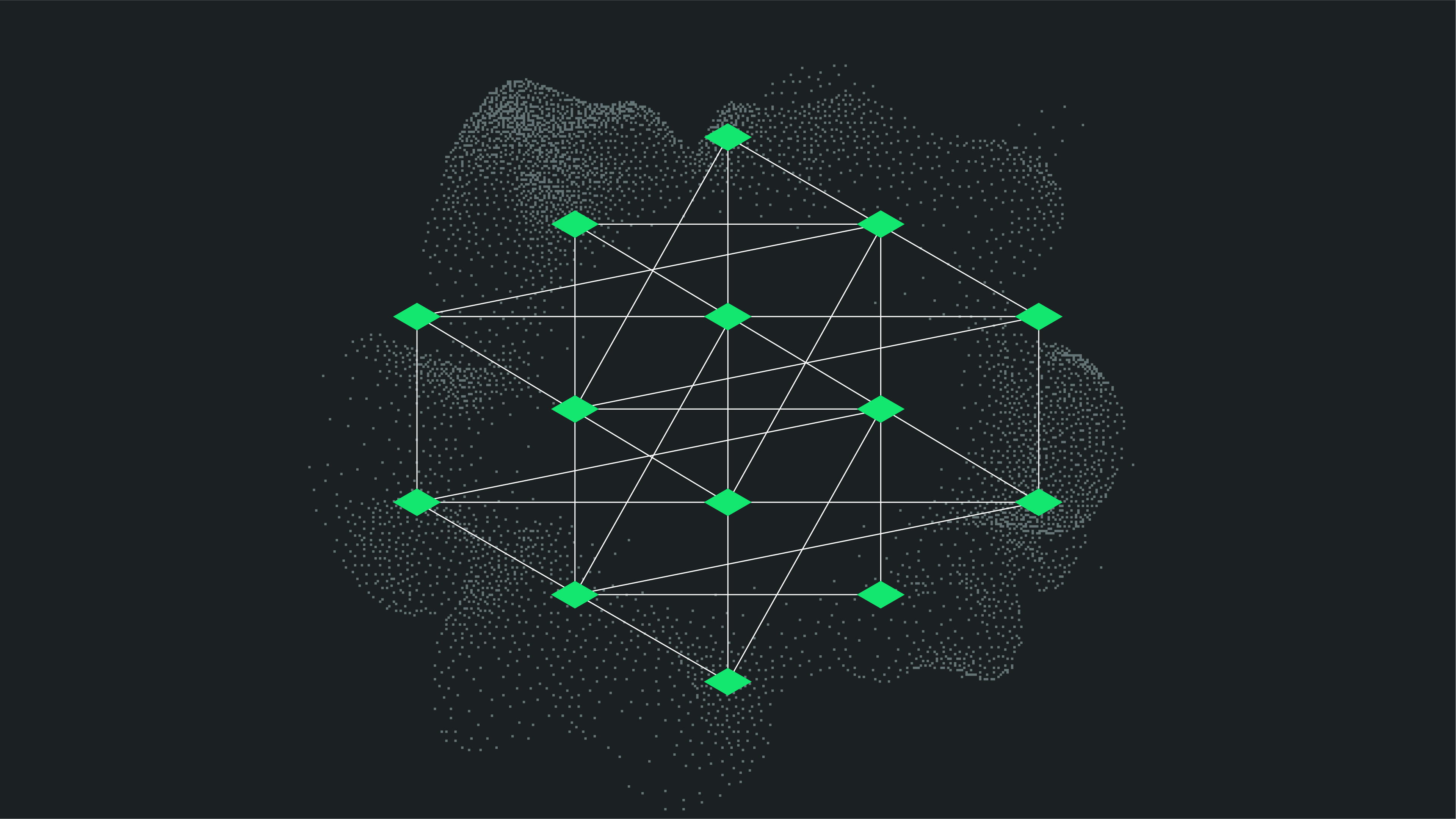
Dezentralisierung ist der Prozess oder die Struktur, bei der Kontrolle, Entscheidungsfindung und Daten auf mehrere unabhängige Akteure verteilt sind, statt bei einer einzigen zentralen Instanz zu liegen. In digitalen Systemen soll Dezentralisierung einzelne Kontroll- oder Ausfallpunkte beseitigen, damit Netzwerke autonomer und sicherer funktionieren können. Sie steht im Gegensatz zu zentralisierten Modellen, in denen eine Organisation oder ein Server das gesamte System verwaltet.

So funktioniert Dezentralisierung
In einem dezentralen Netzwerk hat keine einzelne Instanz die vollständige Kontrolle. Stattdessen verteilt sich die Entscheidungsgewalt auf mehrere Knoten - das können Computer, Server oder Teilnehmer sein. Jeder Knoten überprüft und verarbeitet Informationen für andere unabhängig. Das wird oft durch Protokolle erreicht, die auf Konsensmechanismen beruhen, etwa Proof-of-Work oder Proof-of-Stake in Blockchain-Systemen: Die Teilnehmer einigen sich auf einen gemeinsamen Datenzustand, ohne dass ein zentraler Koordinator nötig ist.
Nehmen wir zum Beispiel Peer-to-Peer-Netzwerke (P2P), die viele beim Torrenting genutzt haben dürften. In einem P2P-Netzwerk interagieren viele einander unbekannte Personen direkt miteinander - etwa, um große Dateien effizient zu teilen -, ohne auf einen zentralen Server angewiesen zu sein. Jeder Knoten kann unabhängig funktionieren und gleichermaßen zum Betrieb des Netzwerks beitragen.
Dieses dezentrale Modell hat aber noch einen großen Vorteil: Fällt ein Knoten aus, läuft das System ohne Unterbrechung weiter, weil viele andere Knoten dieselbe Arbeit übernehmen.
Wesentliche Merkmale der Dezentralisierung
- Redundanz: Dezentrale Systeme bestehen aus mehreren Knoten, die dieselben oder ähnliche Funktionen erfüllen. So kann das System weiterlaufen, selbst wenn einzelne Teile des Netzwerks offline gehen.
- Fehlertoleranz: Es gibt keinen zentralen Ausfallpunkt, wodurch das System widerstandsfähiger gegen Angriffe, technische Probleme oder Zensur ist.
- Transparenz: In vielen dezentralen Systemen sind Entscheidungsregeln und Aktionen öffentlich einsehbar und überprüfbar.
- Autonomie: Einzelne Nutzer oder Knoten können unabhängig agieren, ohne die Erlaubnis einer zentralen Instanz einzuholen.
Warum Dezentralisierung heute wichtig ist
Dezentralisierung ist mehr als nur technisches Design: Sie ist die Grundlage für eine neue Form digitaler Freiheit und Sicherheit. In einem zentralisierten System kann ein Unternehmen oder eine Regierung einseitig Regeln ändern, den Zugang einschränken oder Nutzerdaten sammeln und ausnutzen. Dies birgt Risiken hinsichtlich Überwachung, Zensur und Machtmissbrauch.
Dezentrale Systeme beseitigen diese Risiken dagegen von Grund auf. Weil keine einzelne Partei das Netzwerk kontrolliert, wird es für jede Instanz deutlich schwerer, Nutzer auszuspionieren, zu zensieren oder zu manipulieren. Das gibt Einzelnen die Möglichkeit, die Kontrolle über ihre eigenen Informationen und ihre Kommunikation zu behalten, und fördert ein privateres und gerechteres Internet.
Messaging-Apps: Beispiele für Zentralisierung vs. Dezentralisierung
Um zu veranschaulichen, wie Dezentralisierung in der Praxis funktioniert, schau dir mal an, wie Messaging-Apps aufgebaut sind, um mit deinen Daten umzugehen:
WhatsApp: Zentralisiertes Messaging
Alle WhatsApp-Nachrichten laufen über die Server von Facebook. Selbst wenn deine Nachrichten verschlüsselt sind, sind Metadaten wie z. B. mit wem du chattest, wann und wie oft, für Facebook und möglicherweise auch für Behörden einsehbar.
Matrix + Element: Dezentrales Messaging
- Matrix ist ein offener Standard für dezentrale Kommunikation. Jeder kann einen eigenen Server (einen sogenannten „Homeserver“) betreiben und trotzdem mit Nutzern auf anderen Servern kommunizieren.
- Element ist eine beliebte App, die eine Verbindung zum Matrix-Netzwerk herstellt.
- Session ist eine neue dezentrale Messaging-App, die auf einem Mixnet-ähnlichen Schema und Onion-Routing basiert.
Anders als bei WhatsApp besitzt oder kontrolliert bei diesen dezentralen Messengern kein einzelnes Unternehmen das System. Unterhaltungen sind über unabhängige Server föderiert, und Nutzer behalten die Kontrolle darüber, wo ihre Daten gespeichert werden.
Das Fazit von Nym: Zentralisierte vs. dezentrale Apps
In jedem zentralisierten Modell liegt die Macht bei einem einzigen Unternehmen. Im dezentralen Modell ist die Entscheidungsgewalt verteilt – und deine Privatsphäre sowie dein Zugriff hängen nicht davon ab, dass du einer einzigen Plattform vertraust.
Nym empfiehlt, wann immer möglich, dezentrale Plattformen für den Nachrichtenaustausch zu nutzen, um deine Privatsphäre vor der Überwachung durch Dritte zu schützen.
Um sicherzustellen, dass der gesamte von deinem Gerät ausgehende Datenverkehr durch dieselbe dezentrale Infrastruktur geschützt wird, solltest du die Nutzung eines dezentralen VPNs (dVPN) wie NymVPN in Betracht ziehen.
Anwendungen dezentraler Technologie
Kryptowährungen
Kryptowährungen wie Bitcoin und Ethereum verteilen die Kontrolle über das Ledger auf Tausende von Teilnehmern und machen damit Zentralbanken oder Zahlungsabwickler überflüssig.
Dezentrale Messaging-Plattformen
Wie oben gesehen, ermöglichen Messenger wie Matrix die Kommunikation, ohne auf einen einzelnen Dienstanbieter angewiesen zu sein.
Beachte, dass selbst vertrauenswürdige Messaging-Dienste wie Signal, die den Goldstandard für End-to-End-Verschlüsselung setzen, immer noch zentralisiert sind – auch wenn sie äußerst vertrauenswürdig sind und keine Metadatenprotokolle deines Datenverkehrs speichern.
Dezentrale VPNs (dVPNs)
Herkömmliche VPNs basieren auf zentralisierten Infrastrukturen: einzelne, Closed-Source-Server, die als dein Proxy im Internet deinen gesamten Datenverkehr verarbeiten. Das birgt ein ernstes Sicherheitsrisiko: Der VPN-Anbieter kann sowohl deine IP-Adresse als auch die deines Ziels im Internet einsehen. Das bedeutet, dass der VPN-Anbieter deine Identität nicht direkt mit all deinen Online-Aktivitäten in Verbindung bringen kann.
dVPNs basieren auf einem anderen Modell, das die Privatsphäre der Menschen und die Nicht-Verknüpfbarkeit stärkt. Bei einem wirklich dezentralen VPN kann kein Zwischenknoten deine IP-Adresse mit deinem Ziel in Verbindung bringen, und es sollte keinen zentralen Schwachpunkt geben, an dem Protokolle durchsickern oder offengelegt werden könnten.
Nym's Noise Generating Mixnet
Verteilter Dateispeicher
IPFS & Filecoin ermöglichen es Nutzern, Dateien in einem Netzwerk von Peers statt bei einem zentralisierten Cloud-Anbieter zu speichern und abzurufen.
Verbundene soziale Netzwerke
Mastodon ermöglicht es jedem Server, unabhängig zu arbeiten und gleichzeitig mit dem größeren Netzwerk zu interagieren.
Vor- und Nachteile sowie Einschränkungen dezentraler Systeme
Zwar bietet die Dezentralisierung erhebliche Vorteile in Bezug auf Sicherheit und Datenschutz, bringt jedoch auch Herausforderungen mit sich:
-
Leistung: Ohne zentrale Koordination können dezentrale Netzwerke langsamer sein oder eine komplexere Wartung erfordern. Bei latenztoleranten Apps wie Messengern ist dieses Leistungsproblem möglicherweise kaum wahrnehmbar und die Kompromisse für einen deutlich höheren Schutz voll und ganz wert.
-
Governance: Die Aktualisierung oder Weiterentwicklung von Protokollen erfordert einen Konsens, der schwer zu erreichen sein kann.
-
Fragmentierung: Ohne klare Führung können Netzwerke zerfallen oder sich in inkompatible Systeme aufspalten.
-
Verantwortung des Nutzers: Nutzer haben möglicherweise mehr Kontrolle, tragen aber auch mehr Verantwortung – beispielsweise bei der Verwaltung privater Schlüssel oder der Auswahl zuverlässiger Server.
Dezentralisierung und Datenschutz
Dezentralisierung ist der Schlüssel zum Aufbau eines privateren und überwachungsresistenteren Internets. In zentralisierten Architekturen können Regierungen oder Unternehmen Nutzerdaten überwachen, einschränken oder monetarisieren. Dezentrale Systeme verringern oder beseitigen diese Risiken, indem sie zentrale Kontrollpunkte abschaffen.
Bei Matrix und dezentralen Messaging-Apps können deine Unterhaltungen und Metadaten auf einem Server gespeichert bleiben, den du selbst kontrollierst oder dem du vertraust. Föderation bedeutet, dass Nutzer auch dann, wenn ein Server Inhalte zensiert oder abgeschaltet wird, auf andere Server wechseln oder über diese kommunizieren können. Dies steht im Einklang mit allgemeineren Datenschutzgrundsätzen: Begrenzung der Überwachung, Stärkung der individuellen Entscheidungsfreiheit und Verringerung der Machtkonzentration eines bestimmten Akteurs im Netzwerk.
Dezentralisierung: FAQs
Dezentralisierung kann physischer Natur sein (verteilte Knoten), die Governance betreffen (Abstimmungen der Community über DAO) und ohne Zugangsbeschränkungen erfolgen. Nym vereint alle drei Aspekte – jeder kann einen Mix-Knoten betreiben oder über Protokoll-Upgrades abstimmen –, wodurch die Kontrolle durch einen einzelnen Knotenpunkt verringert wird.
Redundanz stellt sicher, dass der Datenverkehr bei Ausfall einiger Knoten ohne Unterbrechung über andere Knoten weitergeleitet werden kann – wodurch die Verfügbarkeit und Ausfallsicherheit auch bei Netzwerkausfällen gewährleistet bleibt.
Dezentralisierung erhöht die Ausfallsicherheit und Transparenz, kann jedoch im Vergleich zu zentralisierten Strukturen Herausforderungen bei der Koordination, Schwankungen bei der Latenz und Komplexitäten bei der Steuerung mit sich bringen.
Nym unterhält Open-Source-Code, öffentlich geprüfte Bereitstellungen sowie ein On-Chain-Reputations- und Staking-Modell – und stellt so sicher, dass die Identitäten der Knoten, ihr Verhalten und die Protokoll-Governance sichtbar und überprüfbar sind.
Nym nutzt eine stündliche Neuordnung der Mixnode-Ebenen und eine nach Einsatz gewichtete Reputationsbewertung, um eine Konzentration der Routing-Macht zu vermeiden und eine verteilte Knotenzuweisung aufrechtzuerhalten.
Dezentralisierung ist nicht nur ein Konzept
So schützt Nym deine Privatsphäre von Grund auf.
Über die Autoren
Pedro Sydenstricker
Community-AutorCasey Ford. PhD
Technische PrüfungInhaltsverzeichnis
Weiter lesen...
Nym ist mehr als ein VPN
Die erste App, die dich dank eines Rauschen erzeugenden Mixnets vor KI-Überwachung schützt
Die besten dApps für Privatsphäre, Messaging, DeFi und Zensurresistenz im Jahr 2025
DApps, die von Grund auf privat sind, für Messaging, DeFi und Speicherung – in globalen Krisen erprobt