
WeChat چیست؟ چرا «سوپر اپلیکیشن» عملاً به نظارت گسترده بر دادههای شما منجر میشود
WeChat چگونه کار میکند و چگونه تا حد ممکن اطلاعات مربوط به شما را ردیابی میکند
اشتراکگذاری
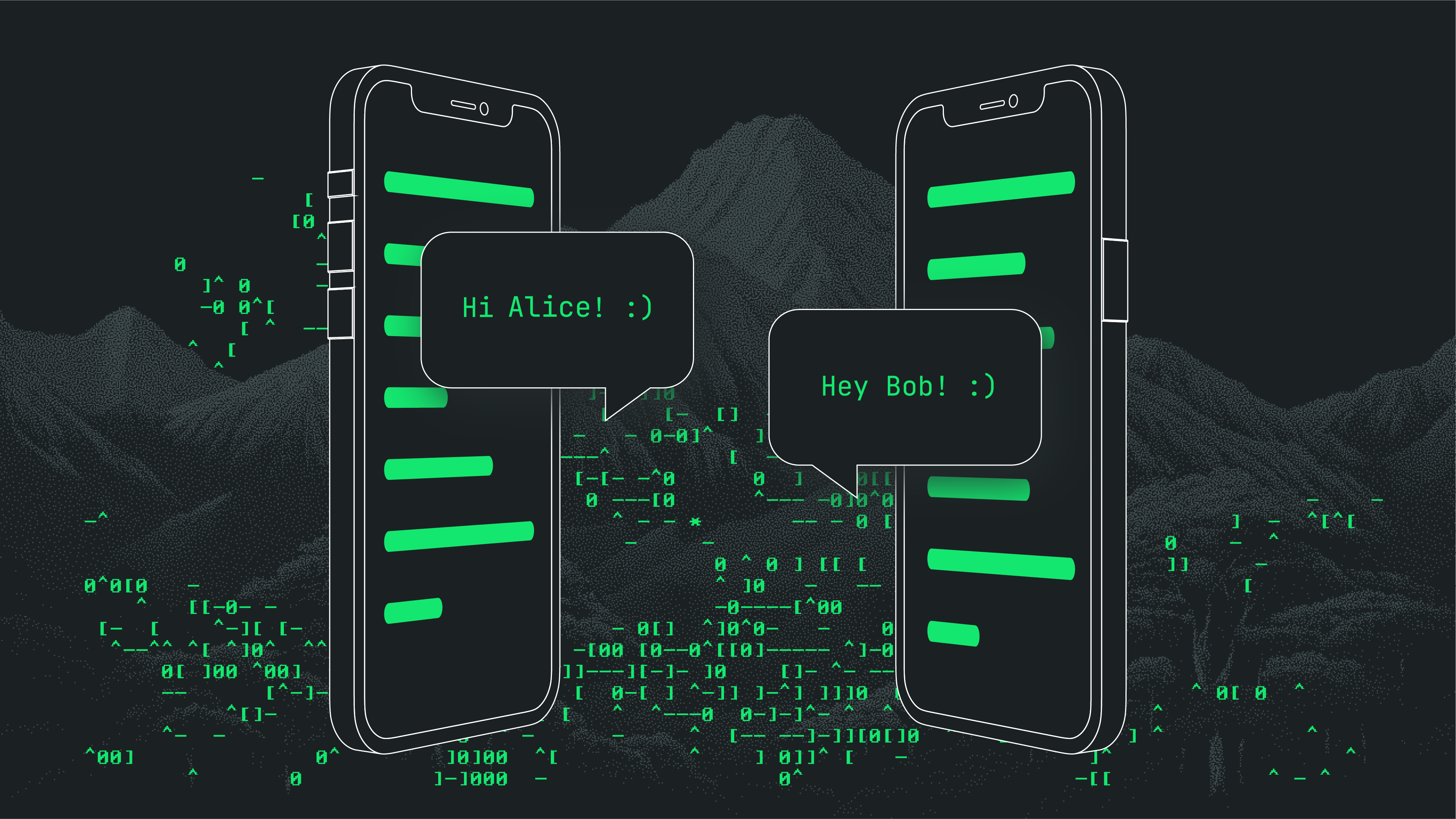
WeChat صرفاً یک اپلیکیشن پیامرسان نیست؛ بلکه بهعنوان یک اکوسیستم دیجیتال کامل طراحی شده است. Used by over a billion people, primarily in China, WeChat combines messaging, social media, payments, shopping, and even government services in one platform. Known as a “super app,” it has become essential for daily life in China and also for many people globally.
But these conveniences come with a big trade-off in privacy and security. WeChat collects a wide range of user data, making it a super surveillance machine. If you’re concerned about your privacy online, your data integrity, and the risks of surveillance, the Nym team breaks down the WeChat risks for you.
Protect the metadata of all your WeChat communications by using a decentralized VPN.
What you can do on WeChat
WeChat is remarkable in the tech world because it packs dozens of functions into one streamlined interface (which is also a big red flag from the start). در اینجا فقط برخی از ویژگیهای اصلی آن آورده شده است:
- Text, voice, and video messaging
- Group chats and voice calls
- Moments, a social feed similar to Facebook or Instagram
- WeChat Pay for QR-based purchases, transfers, and bills
- Mini Programs are apps within the app, from games to government forms
- Booking taxis, ordering food, and more
Its versatility makes WeChat integral: from chatting with friends to filing taxes, it covers it all. And that’s where the problems start.
How WeChat works
WeChat is developed by Tencent and runs on a centralized infrastructure, meaning all user data and content passes through and is stored on Tencent’s servers. To use its full suite, users must grant app permissions like contacts, camera, mic, and location.
That ease has a big cost that is designed to be invisible: WeChat builds a metadata profile of you in order to track usage patterns, locations, contacts, and much more. If you’re new to the problem of metadata and surveillance, check out Nym’s explainer on why metadata matters, even if message content is encrypted.
Centralized vs. decentralized Apps: A huge difference for for your data
To understand WeChat’s impact on user privacy, it helps to look at the difference between centralized and decentralized apps. These two models define how your data is handled, who has control of it, and how much visibility third parties may have into your activity, including authoritarian governments and Big Tech companies.
This distinction is key when choosing how to communicate, especially in environments where privacy, censorship, or surveillance are real concerns.
Centralized apps (like WeChat)
Single point of control
One company manages all data, servers, and infrastructure. Your messages, transactions, and activity logs are stored on their systems.
Comprehensive data access
If not properly end-to-end encrypted, the platform can directly access your content. But even if it is encrypted, it can still keep logs of your behavior patterns and connections — either for analytics or due to legal obligations.
Susceptible to government or corporate intervention
Authorities can request or compel access to user data. Companies may also censor or filter content so you can’t access a lot of what is available to people globally. And government agencies may very well have backdoors on content and metadata records stored on WeChat's servers.
Greater exposure in a breach
A single hack or policy failure can expose massive amounts of user information at once.
Decentralized (privacy-focused apps)
No single control center
Services are distributed across a network of nodes or peers, so no one party controls all the data at any single point.
End-to-end encryption by default
Only you and the recipient can read messages. Not even the service provider can decrypt the content.
Minimal metadata retention
Apps often avoid logging when, where, and how you use the service. This will reduce your traceable footprint.
Built-in resistance to surveillance
Technologies like Noise Generating Mixnets or traffic obfuscation can hide communication patterns and prevent monitoring of your network behavior.
میکسنت مولد نویز Nym
Use of WeChat in China and internationally
Inside China
WeChat is deeply integrated into Chinese society — QR payments are standard, taxis are booked, and government services are delivered entirely via the app. Given the government control over technology, networks, and information access in China, many users do not have much of a choice but to use centralized apps like WeChat.
But access to decentralized and censorship fighting technologies is a growing demand. نقشه راه NymVPN برای توسعه تکنولوژی VPN را ببینید که اینترنتی آزاد و باز را برای تمام بشریت ممکن میسازد.
Outside China
Popularity remains among diaspora communities and travelers. قابلیتها بهصورت مشابه عمل میکنند، اما جریان سرور و نظارت بر محتوا ممکن است مبهمتر باشد.
Be aware that even international accounts likely still route messages through Chinese-controlled infrastructure. Choosing a decentralized VPN like NymVPN can help protect yourself, but limiting the app’s access to personal information is also crucial.
Why WeChat is called a “Super App”
A super app combines multiple services into one platform in order to streamline daily tasks. WeChat lets users message, pay, shop, and consume services all in one place. But this is not the only thing it allows.
It also creates a single hub where personal habits, finances, and conversations come together. This data consolidation has influenced digital ecosystems globally, inspiring similar “everything-in-one” apps in other regions. This is a goldmine for the daily surveillance of billions of people.
Some best practices for using WeChat
At Nym, our goal is to provide privacy and data security tools. So using a centralized app with poor encryption standards is not recommended. However, if you need to use the app, here are some things you can do to possibly limit your exposure.
-
Control app permissions: Only grant access to camera, mic, or location if needed.
-
Minimize sensitive data in messages: Avoid storing passwords, personal details, or IDs.
-
Be cautious with WeChat Pay: Use PIN protection and regularly monitor your balance.
-
Adjust your privacy settings: Limit who can add you, view your Moments, or find your number.
-
Choose secure devices: Avoid logging in on shared or public systems.
-
Use a VPN if possible: When on public Wi‑Fi or traveling, routing through NymVPN to hide your IP address and reduce tracking. Keep in mind that many VPNs while in China may be blocked by government controlled ISPs.
Nym’s verdict: WeChat should be avoided
If you need a secure messaging app, consider one built for privacy like Signal or Session. But if you’re living in China and don’t have access to many apps, additional security steps are unfortunately needed. But Nym is here to help, first by building tech that can take down informational borders.

WeChat: FAQs
نخیر. برای ثبت نام و دسترسی به تمام امکانات برنامه، باید شماره تلفن خود را تأیید کنید.
Yes, for messaging and social use. Transactional services like payments may involve fees or data charges. But remember that the costs of using free apps like WeChat can me hidden costs to how your personal data is used.
برخی قابلیتها خارج از چین نیز کار میکنند، اما بسیاری از آنها به اتصالهای بانکی چین وابستهاند و ممکن است محدود باشند.
Messages are encrypted during transit, but WeChat does not employ end-to-end encryption.
Yes, though it involves multiple steps and a wait period. Back up important data first.
درباره نویسندگان

بنجامین نمروف

کیسی فورد (Casey Ford) دکترا
بازبین فنی