The metadata trap
Metadata surveillance explained
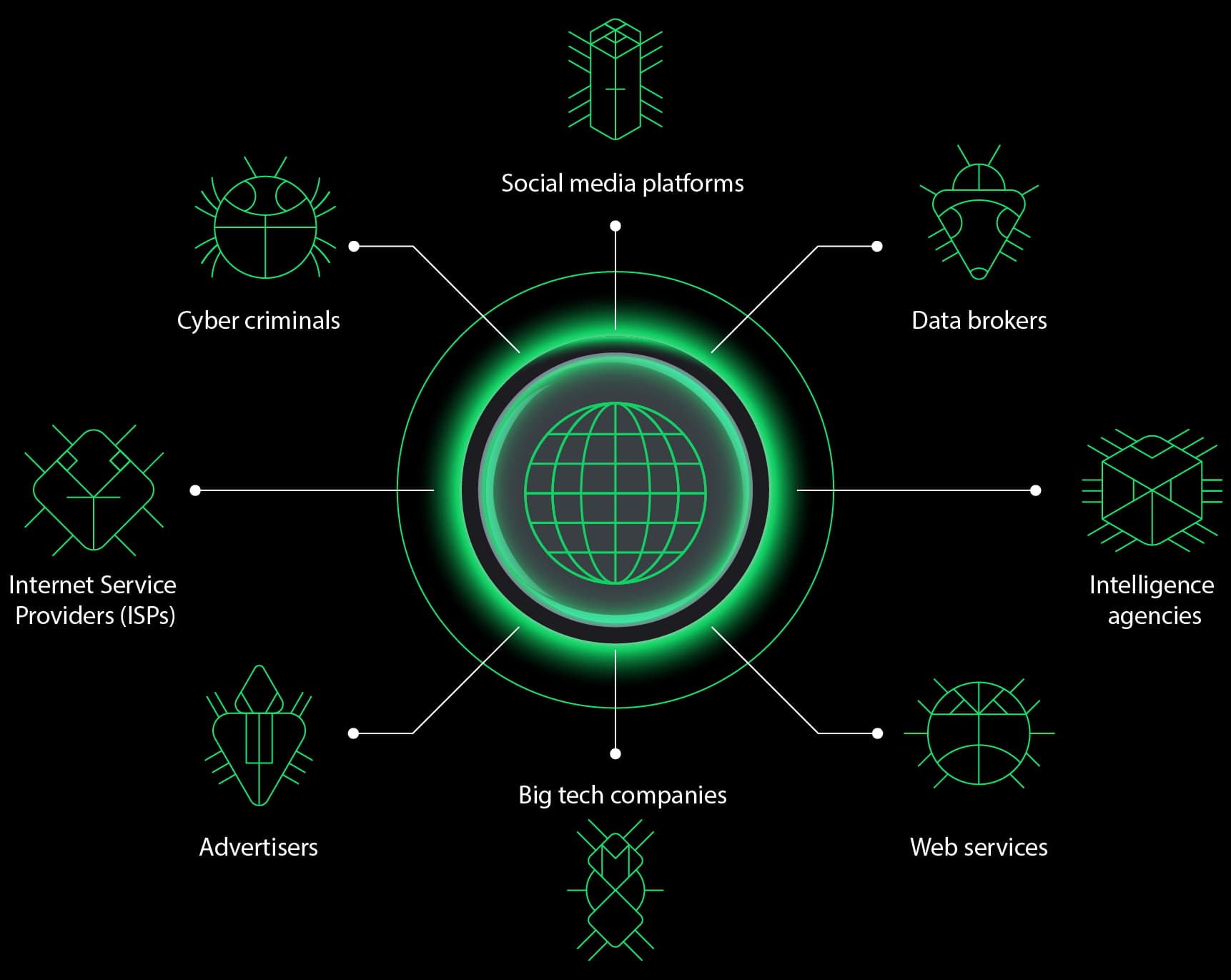
Metadata is the basis of mass surveillance systems, the scope of which is being fastly accelerated with Artificial Intelligence (AI). While encryption protects the content of our communications, metadata about everything we do online is being compiled to track our behavior and profile us. Nym tracks the history of metadata surveillance, the agents behind it, how this affects people’s daily lives, and what we can all do to protect our data. Research now shows that metadata may be the most overlooked – and exploited – privacy threat of our time
What is metadata?
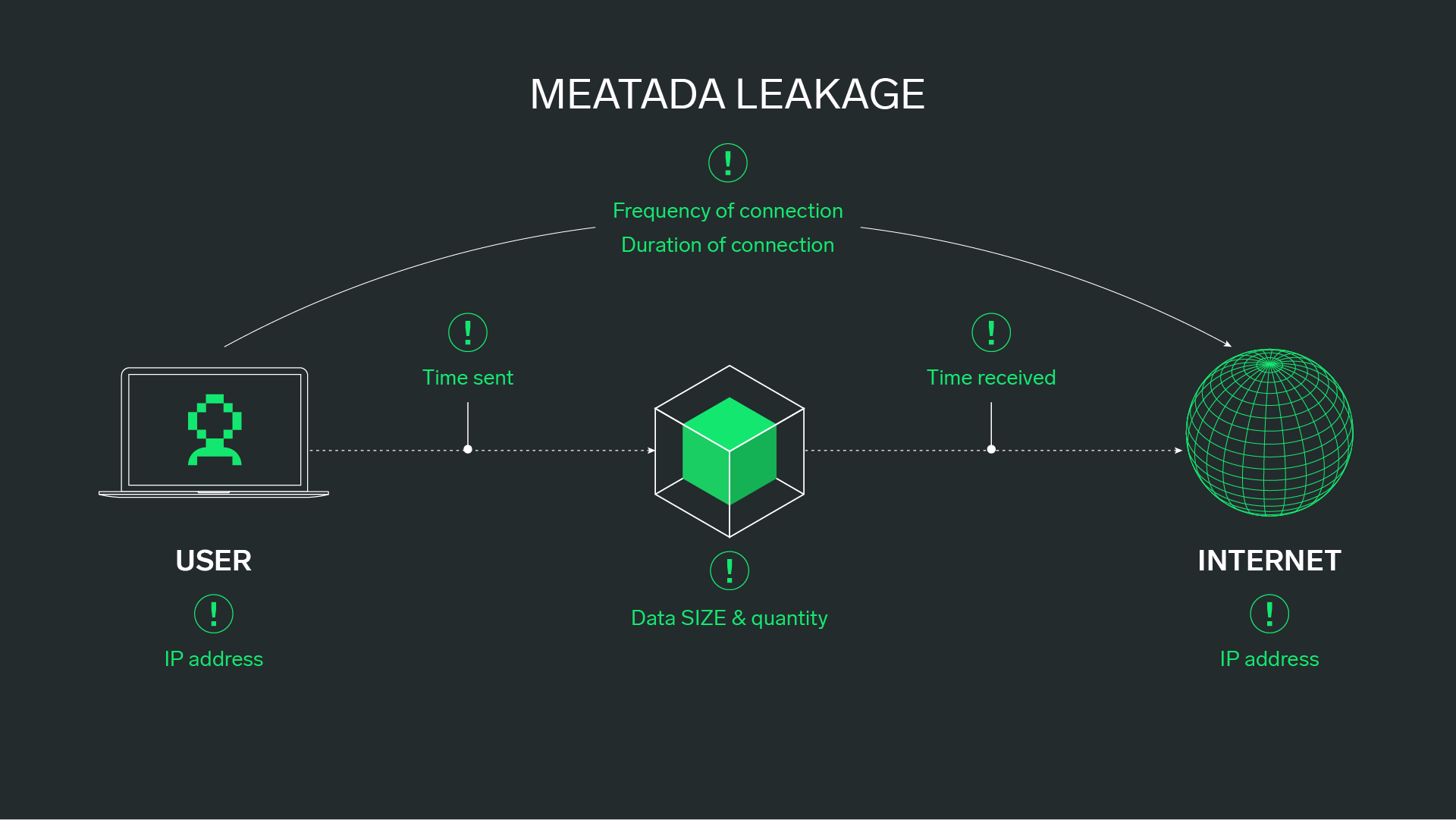
Metadata means information about information. All digital information has metadata: an image file will specify size and location, and a message to a friend will show your IP address and timestamps. Metadata provides context about your data. Importantly, metadata is visible even when content is encrypted. The question is what does metadata reveal about us, and why are so many entities on the web collecting it?
“Metadata absolutely tells you everything about somebody’s life. If you have enough metadata, you don’t really need content.”
– NSA’s General Counsel, Stewart Baker
What does metadata reveal about you?
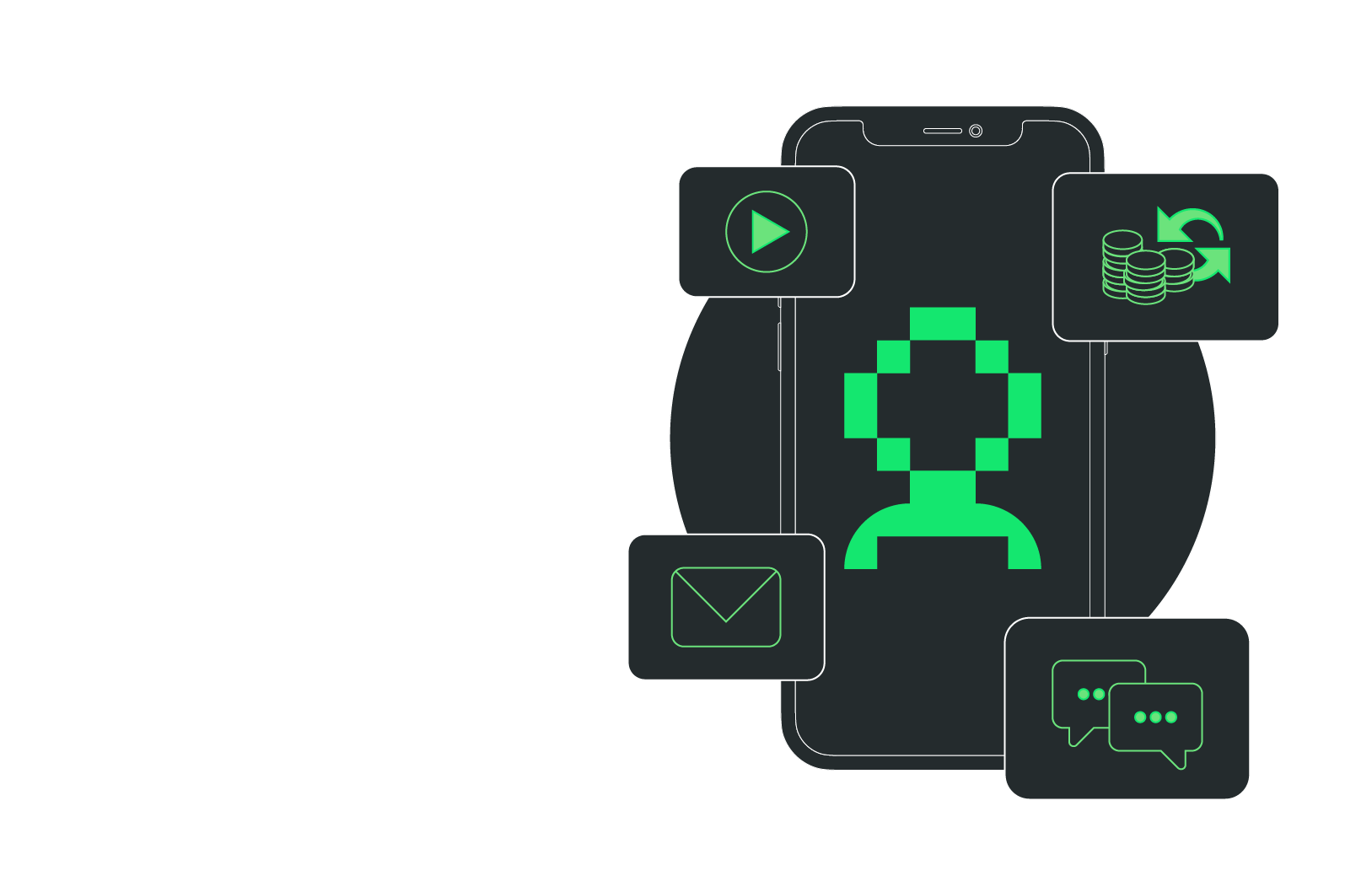
Who you are
Where you are
Who you talk to
What you do online
When & how often you do it
Read more from Nym on metadata surveillance
Who is tracking your internet activity, and why?
Your every move online is being tracked. Decentralized VPNs can better protect our privacy.
What network traffic reveals: How to protect yourself against traffic analysis
Your traffic patterns are more revealing than you think. Learn how to stay private online.
Browser fingerprinting: What is it and why you should care
Prevent internet tracking and leave no fingerprints
What are data brokers? And how they quietly track your every move
Understand how your personal data is sold — and how to stop it at the source