正在分析您的連線...
正在檢查您的 IP 位址...

What Is a VPN tunnel? How encrypted connections keep you private

Secure your digital content and communications with VPN tunnels

IMG_2055.jpg
Casey Ford, PhDCommunications Lead
6 分鐘閱讀
Pablo: Improve quality
分享

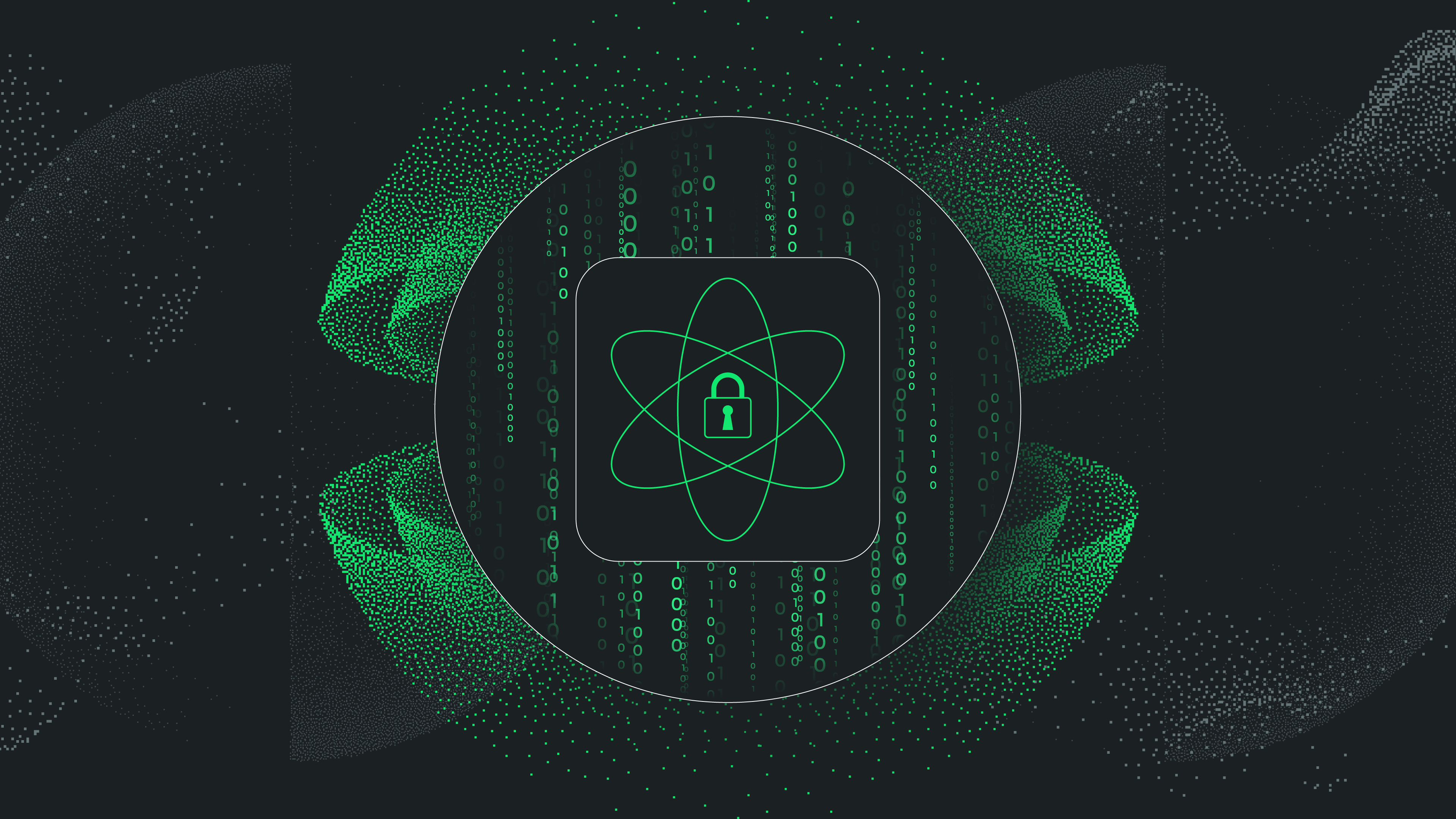
A VPN tunnel is an encrypted connection between your device and a VPN server, ensuring that your online activities remain private and secure. By routing your internet traffic through this secure tunnel, VPNs protect your data from prying eyes, including hackers, ISPs, and surveillance entities.

Earlybird-email banner (1).webp

How does VPN tunneling work?

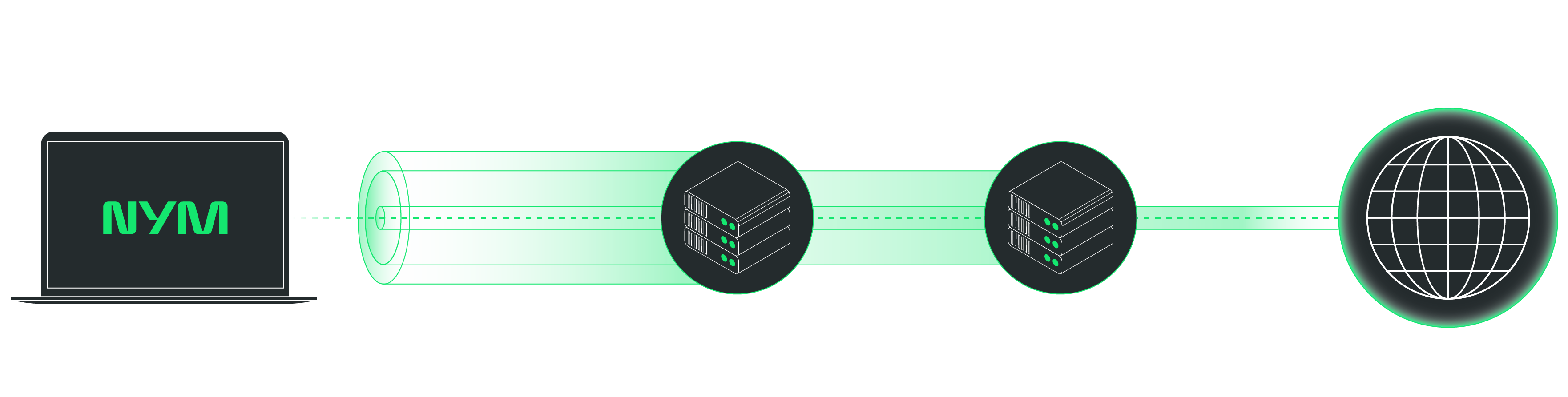
When you connect to a VPN, it creates a secure tunnel between your device and the VPN server. This process involves encrypting your data, making it unreadable to anyone who might intercept it. The encrypted data travels through the tunnel to the VPN server, which then forwards it to its final destination on the internet.

This mechanism hides your IP address and ensures that your online activities are shielded from external monitoring. Thanks to end-to-end encryption, no third party can read the information passing through the tunnel between your device and the VPN server.

What is a VPN?

Most VPN tunnels pass through one server

Nym routes through multiple, so no one can trace you.

VPN Tunnel: Frequently Asked Questions

A VPN tunnel encrypts all your internet traffic and routes it through a secure server, providing privacy and security. A proxy, on the other hand, only reroutes specific traffic (like a web browser) and doesn't necessarily encrypt the data, offering less comprehensive protection. Learn all about the difference between VPNs and proxies with Nym's guide.

While VPNs primarily focus on security and privacy, in some cases, they can improve speed by bypassing ISP throttling. However, due to the encryption process, a slight decrease in speed is more common.

In most countries, using a VPN is legal. However, some nations have restrictions or bans on VPN usage. It's essential to check your local laws before using a VPN.

VPNs encrypt your data and protect your privacy but are not designed to detect or block malware. For comprehensive protection, use antivirus software alongside your VPN.

Most VPN providers offer applications for various devices, including computers, smartphones, and tablets. Some even support routers, allowing you to protect all devices connected to your home network.

關於作者

IMG_2055.jpg

Casey Ford, PhD

Communications Lead
Casey is the Head of Communications, lead writer, and editorial reviewer at Nym. He holds a PhD in Philosophy and researches the intersection of decentralized technologies and social life.

您知道我們的訂閱價格已經調低了嗎?

The world's most private VPN

Try NymVPN for free

繼續閱讀...

Pablo: Improve quality

Encryption & data protection (all you need to know)

Explore how different types of VPNs use encryption to protect your data and privacy

16 分鐘閱讀
Pablo: Improve quality

What is encryption? A comprehensive guide

Explaining the technology behind online data security, and its limits for privacy

12 分鐘閱讀
Nym Connection Blog Image

Introducing AmneziaWG for NymVPN

How censorship resistance works with NymVPN’s Fast Mode

6 分鐘閱讀
Pablo: Improve quality

What is WireGuard VPN & how does it work?

How the fastest VPN encryption protocol available works

11 分鐘閱讀