

Por qué las VPN gratuitas no sirven para el streaming y cómo mantener un anonimato verdadero con Nym
No caigas en la trampa de las VPN gratuitas mientras ves contenido en streaming: protege tus datos personales con una prueba gratuita de VPN diseñada pensando ante todo en tu privacidad

Compartir
Las plataformas de streaming se han vuelto muy eficaces a la hora de detectar y bloquear las VPN gratuitas. Lo que resulta menos evidente es cuántas de estas aplicaciones «gratuitas» registran discretamente su actividad, venden sus datos o merman su privacidad mientras ve contenidos en streaming. Esta guía explica detalladamente qué hacen en realidad la mayoría de las VPN gratuitas, por qué los servicios de streaming se centran en ellas y cómo desbloquear contenidos de forma segura sin comprometer tu privacidad.
Nota: «VPN gratuitas» se refiere a la mayoría de las aplicaciones de VPN gratuitas convencionales, no a la prueba gratuita de 7 días descentralizada de Nym, que funciona de forma totalmente diferente y no realiza un seguimiento ni almacena los datos de los usuarios.
Por qué la mayoría de las VPN gratuitas tienen problemas con el streaming
Las VPN gratuitas suelen fallar en Netflix, Hulu, Disney+ y otras plataformas porque:
1. Las VPN gratuitas reutilizan el mismo pequeño conjunto de direcciones IP
Los servicios de streaming más populares mantienen largas listas de [IP (o direcciones de Protocolo de Internet)] de VPN conocidas (/blog/what-is-my-ip-address). Las VPN gratuitas reutilizan las mismas direcciones IP entre millones de usuarios, lo que hace que sean fáciles de detectar y bloquear. Cuando los proveedores ven que cientos de personas están realizando streaming desde la misma IP, lo señalan inmediatamente.
Verás errores como:
- «Se ha detectado una VPN o un proxy».
- «Por favor, desactiva tu VPN».
2. Las VPN gratuitas limitan la velocidad para impulsar las suscripciones de pago
La transmisión de contenido en HD o 4K requiere un ancho de banda estable. La mayoría de las VPN gratuitas limitan la velocidad porque les resulta caro mantener redes de gran tamaño. Por eso, los usuarios de VPN gratuitas suelen sufrir un buffering interminable o que las transmisiones bajen repentinamente a 240p.
Aquí es también donde se producen muchas actividades de recopilación de datos en segundo plano. Las VPN gratuitas suelen insertar rastreadores de cookies o supervisar el comportamiento de navegación, de forma similar a lo que se observa en entornos de vigilancia masiva.
3. Las VPN gratuitas obtienen ingresos a través de tus datos, no de tu suscripción
Gestionar una VPN global cuesta millones. Si no pagas, muchas VPN gratuitas recurren a:
- Vender tus registros de navegación a intermediarios de datos
- Inserción de anuncios
- Recopilación de los identificadores de su dispositivo
- Cómo utilizar tu ancho de banda en redes «peer»
- Las solicitudes de registro de DNS pueden revelar los sitios exactos a los que accedes, incluso si tu tráfico está cifrado.
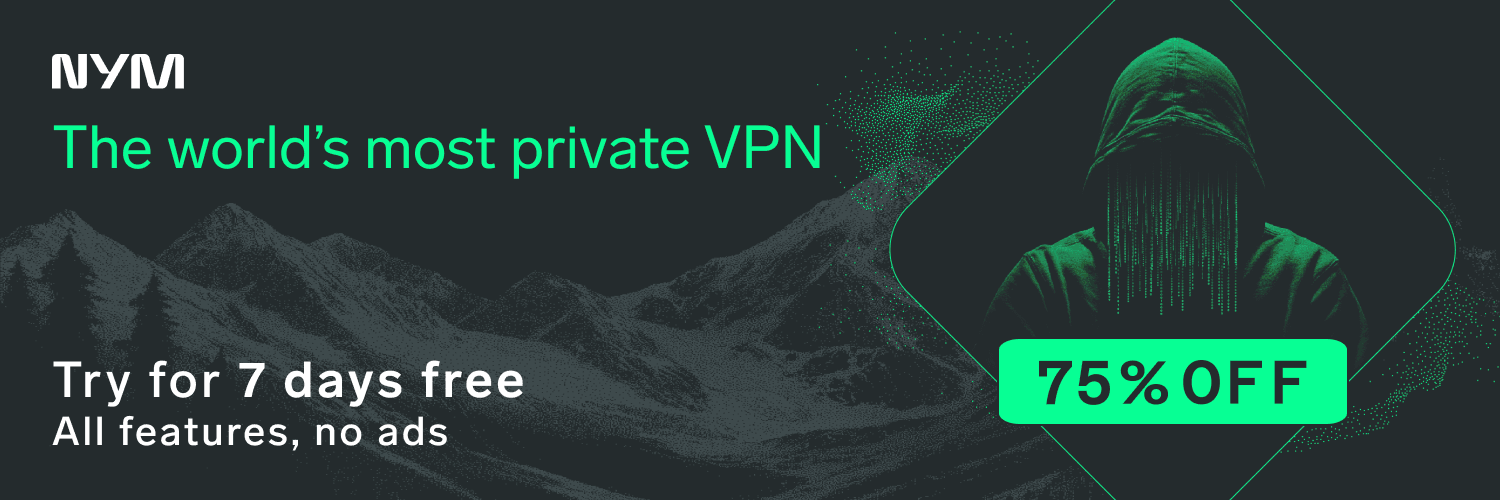
La prueba gratuita de NymVPN funciona de forma diferente
La mayoría de las VPN gratuitas son servicios centralizados con servidores rastreables y tráfico que puede registrarse. NymVPN es descentralizada, lo que significa que enruta el tráfico a través de una red global de nodos independientes. Esto hace que sea mucho más difícil para cualquiera analizar o relacionar su actividad.
La prueba gratuita de 7 días de Nym le ofrece acceso a una protección total de la privacidad sin anuncios, sin registros ni venta de datos. Tanto si navegas, ves contenido en streaming o accedes a plataformas de forma privada (tal y como se explica en guías como cómo acceder a contenido para adultos de forma privada), el sistema no depende de la recopilación de datos para funcionar.
Esto es lo que hace que NymVPN sea fundamentalmente diferente:
- No se reutilizan las direcciones IP vinculadas a su cuenta
- La arquitectura de Mixnet rompe los patrones de tráfico
- Sin registros: no hay nada que vender
- El cifrado del tráfico se produce en cada salto y en múltiples capas
- Tanto la prueba gratuita como los planes de pago cuentan con las mismas medidas de protección de la privacidad
Incluso cuando las plataformas de streaming intentan identificar el tráfico de VPN basándose en el comportamiento del enrutamiento, la tecnología dVPN de NymVPN lo dificulta considerablemente, ya que oculta los patrones. Esto difiere mucho de los túneles VPN tradicionales, que generan flujos de tráfico predecibles.
Cómo detectan las plataformas de streaming la mayoría de las VPN gratuitas
Lo que buscan los servicios de streaming:
1. Tráfico procedente de servidores VPN conocidos
Las VPN gratuitas rara vez rotan sus grupos de direcciones IP. Una vez marcados, permanecen bloqueados durante meses.
2. Patrones de tráfico que se asemejan a túneles VPN
Incluso sin ver su actividad, los metadatos revelan:
- Dirección IP
- Ubicación
- Sincronización de paquetes
- Picos de tráfico
- Patrones de comportamiento del cifrado
Estas son las mismas técnicas que utilizan los gobiernos y los proveedores de servicios de Internet, descritas en detalle en nuestra guía sobre análisis de tráfico.
3. Las fugas de DNS revelan su ubicación real
Si tus solicitudes DNS no se enrutan de forma segura, las plataformas de streaming pueden detectar tu ubicación real aunque tu IP esté enmascarada. Esta es una de las debilidades más comunes de las aplicaciones VPN gratuitas.
Más información sobre cómo cambiar tu dirección IP en cualquier dispositivo.
¿Es seguro ver contenido en streaming con una VPN gratuita?
Depende, pero esta es la verdad: La mayoría de las VPN gratuitas no son seguras para el streaming. A menudo exponen:
- Tu ubicación real
- Tus consultas DNS
- Tu historial de navegación
- Información de su dispositivo
Algunas VPN gratuitas incluso desvían el tráfico a través de los dispositivos de otros usuarios, lo que genera riesgos de seguridad similares a los de las redes de intercambio entre pares de torrents.
El problema no es el streaming: es el tipo de VPN que utilizas.
Si el proveedor registra su actividad, sus hábitos de streaming pueden vincularse a su IP, lo que frustra el propósito mismo de utilizar una VPN.
Cómo desbloquear de forma segura contenidos en streaming
1. Utiliza una VPN de confianza que priorice la privacidad
Elige un servicio que:
- No registra sus datos
- No depende de grupos de direcciones IP compartidas
- No vende acceso a los anunciantes
- Utiliza un enrutamiento resistente a los metadatos
La arquitectura descentralizada de Nym proporciona el túnel de privacidad del que carecen las VPN gratuitas.
2. Borrar o restablecer el DNS
Si vas a cambiar de país, vacía la caché del DNS para que los servicios de streaming no vean datos antiguos de la región.
3. Evita las «extensiones VPN para el navegador»
Estos se filtran constantemente. Rara vez redirigen todo el tráfico, incluido el DNS. Asegúrate de utilizar navegadores privados que no registren ni filtren tus datos.
4. Evita las «VPN gratuitas e ilimitadas» que prometen streaming rápido
Normalmente se monetizan mediante el registro de datos o la inserción de rastreadores.
Mantén un anonimato total de forma gratuita con la prueba gratuita de 7 días de la VPN de Nym
La mayoría de las VPN gratuitas no fallan en el streaming por casualidad: fallan porque reutilizan direcciones IP, registran los datos de los usuarios y escatiman en privacidad. Si quieres un streaming fiable y privado, busca una VPN que no dependa de la venta de datos de los usuarios para mantenerse a flote. La VPN descentralizada de Nym, junto con su prueba gratuita de 7 días, le ofrece una sólida protección de la privacidad sin los inconvenientes de las VPN gratuitas tradicionales.
VPN gratuitas para streaming: preguntas frecuentes
Las VPN gratuitas reutilizan las mismas direcciones IP para millones de usuarios, lo que facilita que las plataformas de streaming las identifiquen y bloqueen. También filtran metadatos y DNS, lo que ayuda a los servicios a confirmar su ubicación real.
La mayoría de las VPN gratuitas no son seguras porque registran la actividad de navegación, recopilan datos del dispositivo o exponen las solicitudes de DNS. Esto puede revelar su ubicación o sus hábitos de streaming. Una VPN como Nym evita estos problemas al no guardar registros y ocultar los metadatos.
Sí. Las VPN ocultan los patrones de tráfico, lo que dificulta que las plataformas de streaming identifiquen el uso de una VPN. Aunque ninguna VPN puede garantizar un acceso al streaming del 100 %, el enrutamiento descentralizado mejora considerablemente la resiliencia en comparación con los típicos grupos de direcciones IP de las VPN gratuitas.
Utiliza una VPN que priorice la privacidad, sin registros, con protección de metadatos y un cifrado sólido. NymVPN ofrece una prueba gratuita de 7 días, lo que te permite probar el rendimiento del streaming de forma privada sin los riesgos asociados a las VPN gratuitas tradicionales.
Sobre los autores
Rosa Fialho
EscritorTabla de contenidos
Seguir leyendo...
Cómo las VPN gratuitas generan dinero (y cómo protegerse)
Tus datos son una mina de oro y estas aplicaciones VPN gratuitas los están explotando
VPN gratuita vs. VPN de pago: El riesgo de privacidad que no ves
La verdad sobre lo que realmente estás pagando, especialmente cuando no estás pagando

Nym es más que una VPN
La primera aplicación que te protege de la vigilancia mediante IA gracias a una mixnet generadora de ruido
Accediendo a la dark web de forma segura
Cómo usar Tor de manera segura con una VPN para proteger tu privacidad