

Qu'est-ce qu'un DAO?
Comprendre les organisations autonomes décentralisées
Partager
Une DAO, ou organisation autonome décentralisée, est une structure basée sur la blockchain qui fonctionne sans leadership centralisé. Dirigé par des règles codées dans des contrats intelligents, les DAO permettent aux communautés de prendre des décisions collectivement, de manière transparente et sans intermédiaires.
Les DAO sont construits pour supprimer les points de contrôle uniques et se basent plutôt sur une gouvernance basée sur les jetons, permettant aux membres de voter sur les propositions et de gérer ensemble les fonds. Ces organisations sont utilisées pour l'investissement, la gouvernance, la collecte de fonds et la coordination dans les écosystèmes de cryptomonnaies.
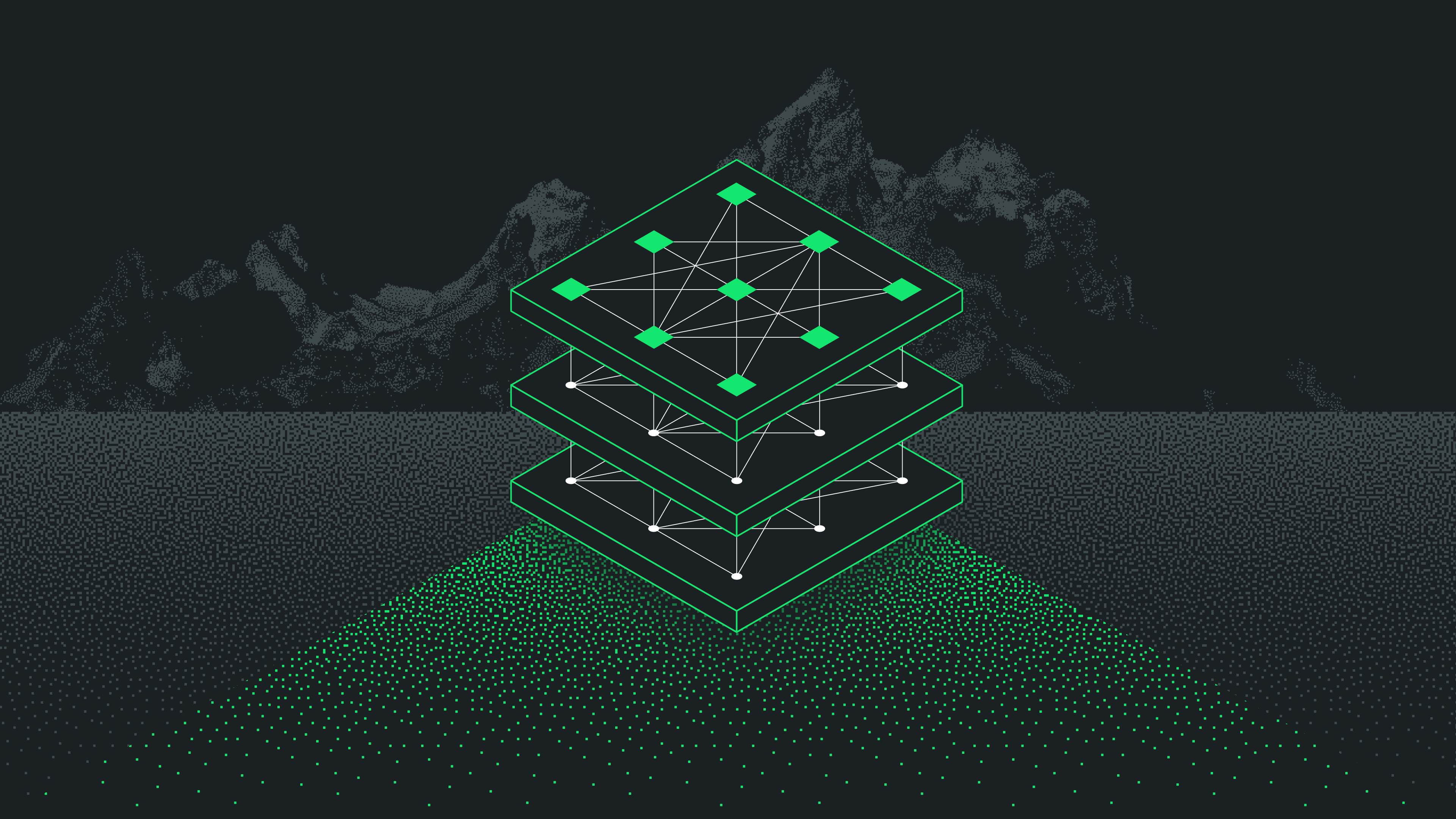
How a DAO works: Smart contracts, tokens, and collective voting
DAOs operate using smart contracts on blockchain networks like Ethereum. These contracts define rules and automatically execute decisions once conditions are met. Members use governance tokens to propose changes, vote on ideas, and influence how the DAO evolves.
Core components of a DAO include:
- Smart contracts: Code that enforces rules automatically
- Governance tokens: Let members vote and participate
- Treasury: A shared pool of crypto funds controlled by votes
- Proposals: Formal suggestions that members vote on
Common DAO use cases: From investing to collective ownership
DAOs are reshaping how people coordinate online. Popular uses of DAO include:
- Venture capital groups pooling funds (e.g., MetaCartel Ventures)
- NFT communities managing art collections or royalties
- Protocol governance (e.g., MakerDAO, Uniswap)
- Charity and grant distribution (e.g., Gitcoin DAO)
Each of these highlights how blockchain tech enables groups to manage assets and make decisions in a way that minimalizes the need for trust.
Benefits of DAOs: Transparency, accessibility, and global reach
DAOs offer several advantages over traditional organizations:
- No centralized authority or board
- All decisions and votes are recorded on-chain
- Open to anyone with internet access and tokens
- Ideal for borderless, global collaboration
These benefits make DAOs especially useful for internet-native communities and decentralized projects.
Limitations and risks of DAOs: What to watch for
While DAOs offer transparency and accessibility, they also come with tradeoffs:
- Smart contract bugs can be exploited (e.g., the DAO hack in 2016)
- Voter apathy can stall decision-making
- Token concentration can lead to unequal power
- Legal recognition varies by jurisdiction
A DAO's success depends on thoughtful design, secure code, and active community participation.
How to join or start a DAO (step-by-step guide)
- Find a DAO: Explore communities via platforms like Snapshot, DAOlist, or DeepDAO
- Get a crypto wallet: Use MetaMask or similar to connect to Web3 platforms
- Buy governance tokens: Some are earned, others are traded on DEXs
- Participate: Vote on proposals, join Discords, or contribute to projects
To start your own DAO, you'll need:
- A smart contract platform like Aragon or DAOstack
- A treasury setup (e.g., Gnosis Safe)
- Governance token and community onboarding plan
Why privacy still matters when using a DAO
Even though DAOs are decentralized, your on-chain activity is public. Wallet addresses, proposal history, and voting patterns can all be traced. That’s why combining DAOs with privacy tools like NymVPN is critical.
To stay private while using DAOs:
- Use a decentralized VPN to hide your IP
- Avoid reusing wallet addresses tied to your identity
- Use privacy-focused wallets and browsers when interacting with dApps
- Consider joining DAOs that prioritize privacy in their design
DAOs: The future of online coordination?
DAOs are transforming how people organize around shared goals, without middlemen. With transparent rules, tokenized governance, and open access, they offer a radical new way to work together online. Communities that were once fragmented across chat apps and forums can now pool resources, vote on shared goals, and build resilient ecosystems in public view.
But decentralization doesn't guarantee privacy. To truly own your online presence, pair DAO participation with tools like NymVPN that protect your traffic, identity, and metadata.
In a blockchain-powered world, privacy is your power. By choosing tools that protect your metadata, like NymVPN, you ensure your decentralized participation doesn't come at the cost of exposure. DAOs offer transparency in governance, but individuals still need the option to protect their personal footprint online.
DAO: Frequently Asked Questions
Some DAOs are legally recognized (e.g., as Wyoming LLCs), but many exist purely on-chain. Legal status depends on local laws and DAO structure.
A crypto wallet and governance tokens are usually enough. Some DAOs require an application or contributions to join.
Yes, though some DAOs have core teams or contributors. Governance is typically collective and enforced through smart contracts.
Through token-weighted voting. Members propose and vote on changes, which are executed by smart contracts if approved.
Pas par défaut. On-chain actions are public. To stay anonymous, use privacy tools like VPNs and avoid linking wallets to personal accounts.