Uma VPN oculta seu endereço IP
O cerne da proteção por VPN é ocultar seu endereço IP (Protocolo de Internet), um identificador exclusivo do seu dispositivo ao se conectar à web por meio do seu Provedor de Serviços de Internet (ISP). Seu IP revela certos detalhes sobre você, como seu provedor de internet, tipo de dispositivo e localização aproximada.
Com uma VPN, seu tráfego é primeiro roteado pelo servidor da VPN, substituindo seu IP pessoal pelo da VPN. Isso pode ajudar a tornar seu tráfego anônimo ao se conectar à internet. Como veremos, a ofuscação de um único IP não é suficiente para protegê-lo contra todas as ameaças de vigilância, até mesmo hackers.
Uma VPN deve criptografar seus dados
A proteção por VPN começa com a criptografia dos dados antes que seu tráfego saia do seu dispositivo. Um túnel de VPN protege os dados entre o seu dispositivo e o servidor de VPN, garantindo que apenas esses pontos finais possam descriptografá-los. Se interceptados, os dados permanecem ilegíveis. Embora protocolos como o HTTPS criptografem a maioria das conexões da web, uma VPN oferece segurança adicional. No entanto, metadados — como horários de conexão, locais e contatos — ainda escapam da criptografia, revelando padrões de comunicação a terceiros.
Saiba mais no guia da Nym sobre protocolos de criptografia com uma VPN.
Seleção de localização
Com uma VPN, você deve poder selecionar em qual local (por exemplo, país) seu servidor VPN está localizado. Seu tráfego receberá um endereço IP dessa localidade, fazendo parecer que você está acessando a web a partir dali. Isso é útil para contornar restrições de censura ou simplesmente acessar conteúdo com restrições geográficas, embora a eficácia dependa das restrições locais.
Recursos de VPN avançados
Algumas VPNs incluem recursos adicionais que podem aprimorar as proteções de privacidade e segurança ou personalizar a forma como os dados são tratados pela VPN. Aqui estão alguns recursos importantes a serem observados:
- Interruptor de mortes: Desconecta instantaneamente sua internet se a conexão VPN desistir, impedindo uma exposição desprotegida.
- Túnel dividido: Permite que os usuários encaminhem tráfego específico pela VPN, excluindo outras atividades, equilibrando segurança e desempenho.
- Proteção contra vazamento de DNS: Garante que todas as solicitações de DNS passem pelo túnel criptografado da VPN em vez de pelo seu provedor de internet, evitando vazamentos acidentais de dados.
- Roteamento multi-hop: roteia o tráfego por vários servidores, ofuscando endereços IP e outros metadados várias vezes. Observação: Alguns serviços de VPN oferecem os modos “VPN dupla” ou de 2 saltos, mas eles continuam sendo controlados por uma única entidade, tornando essas opções menos privadas do que outras opções de VPN verdadeiramente descentralizadas.
- Resistência à censura: Modifica a estrutura dos dados e do tráfego para evitar que seu tráfego seja alvo de bloqueios por usar uma VPN conhecida.
- Bloqueador de anúncios: Intercepta e bloqueia anúncios conhecidos antes que eles se conectem ao seu dispositivo.
- Pagamentos não rastreáveis: garante que o uso da VPN não possa ser associado às suas informações de pagamento.
Por que você precisa de uma VPN?
Afinal, para que serve uma VPN e quem precisa de uma? A resposta curta: qualquer pessoa que queira proteger sua privacidade online ou que precise acessar conteúdos que possam estar bloqueados em um determinado local.
- Navegue anonimamente: Nada do que fazemos online é privado. Existem entidades e sistemas rastreando, coletando, vendendo e comprando nossos metadados a cada passo. Esses agentes de vigilância vão desde sites, corretores de dados que criam perfis sobre nós, até agências governamentais e de inteligência, além de cibercriminosos em busca de explorações financeiras.
- Comunique-se de forma privada: Mesmo ao usar serviços de mensagens ou e-mail com criptografia de ponta a ponta, os registros de metadados das conversas podem revelar detalhes sobre nossos padrões de comunicação, contatos e localizações.
- Acesse conteúdo de origem estrangeira: O conteúdo na internet está se tornando cada vez mais fragmentado. Seja conteúdo de streaming por assinatura disponível ou notícias sobre o que está acontecendo no mundo, a capacidade de acessá-los depende muito do país em que estamos e do que é ou não bloqueado pelos governos locais.
- Realize transações com segurança: Ativos financeiros, serviços e transações online continuam sendo um alvo privilegiado para cibercriminosos e hackers. Além disso, as próprias criptomoedas não são verdadeiramente anônimas e podem ser rastreadas por meio de ferramentas de vigilância de metadados.
- Supere a censura: Bilhões de pessoas em todo o mundo vivem sob rígidas restrições de censura que limitam o acesso a informações essenciais na internet.
Uma VPN pode ajudar com essas diversas necessidades, mas o sucesso depende do tipo de VPN. Então vamos ver o que está disponível atualmente.
Tipos de VPNs
Existem dois tipos gerais de arquiteturas de VPN:
- VPNs tradicionais (ou centralizadas)
- VPNs descentralizadas (dVPNs)
A diferença entre VPNs centralizadas e descentralizadas se baseia no número de servidores físicos usados para rotear seus dados, em quem os controla e em como os dados são tratados durante o trânsito. Então, vamos explicar melhor.
VPNs centralizadas
A maioria das VPNs usa infraestruturas centralizadas, o que significa que seu tráfego é retransmitido por um único servidor VPN que pertence ou é alugado por um único provedor. Assim, uma única empresa gerencia todo o seu tráfego em um único local, a fim de ocultar seu endereço IP. Isso significa que sua atividade online pode ser registrada ou monitorada pela própria empresa de VPN. Se houver registros de tráfego em um único servidor, surgem riscos à privacidade decorrentes de possíveis violações ou solicitações governamentais.
Muitas VPNs afirmam ter políticas de “sem registros”, mas os detalhes variam. Algumas armazenam “registros operacionais”, como endereços IP, enquanto outras compartilham dados selecionados com parceiros de marketing. Como as VPNs centralizadas têm acesso potencial aos seus metadados, sua privacidade real se resume a confiar nas políticas delas.
VPNs descentralizadas (dVPNs)
A tecnologia de VPN descentralizada foi desenvolvida para eliminar essa necessidade de confiança. Uma dVPN deve tornar estruturalmente impossível que todos os seus dados de tráfego possam ser registrados em um único espaço físico.
A descentralização requer um mínimo de 2 servidores independentes para rotear seu tráfego. A verdadeira descentralização decorre da ausência de qualquer ponto central de falha ou vulnerabilidade. Se um servidor estiver comprometido ou for malicioso, apenas uma parte do seu tráfego será revelada. Comprometer vários servidores para compilar um registro completo do tráfego se torna exponencialmente mais difícil à medida que o número de servidores aumenta.
Também vale a pena conhecer a diferença entre VPNs de hardware e de software para entender como o tipo de configuração pode afetar o controle, a privacidade e a escalabilidade.
Como funciona uma VPN?
Como vimos, existem tipos muito diferentes de arquiteturas de VPN, embora a grande maioria seja centralizada. Isso faz uma grande diferença para a privacidade do usuário. Então, vamos ver o que acontece com o seu tráfego à medida que ele passa por esses diferentes modelos.
Roteamento tradicional de VPN
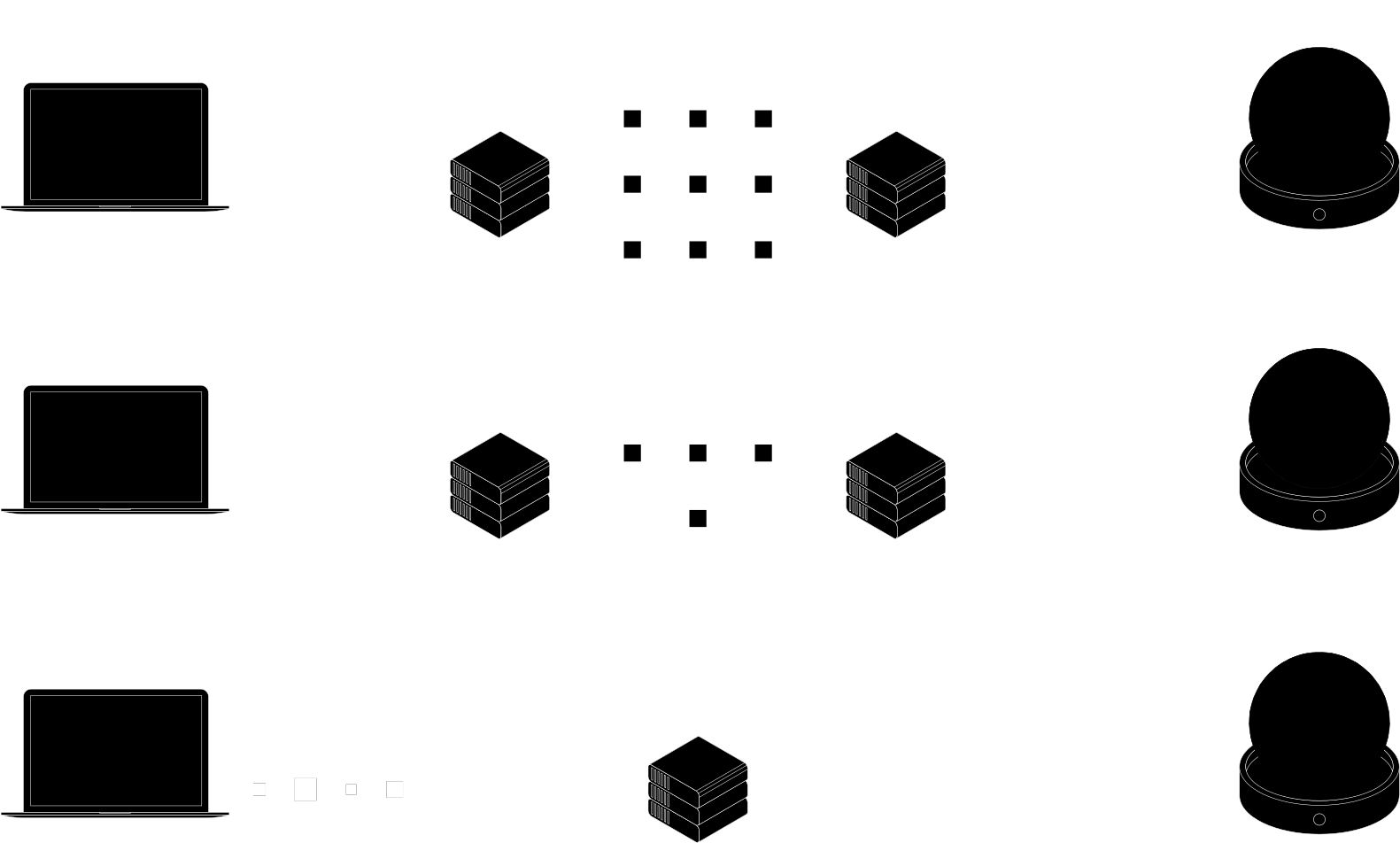
Com um serviço de VPN tradicional, seu tráfego deve primeiro ser criptografado no seu dispositivo antes de ser encaminhado por um túnel para o único servidor de VPN. Uma vez lá, o endereço IP associado ao seu tráfego será substituído pelo próprio IP público da VPN, e o tráfego será descriptografado para revelar para onde enviar sua solicitação. Quando seu tráfego chegar ao destino final, parecerá ter se originado do servidor VPN.
Mas quem exatamente vê sua identidade? Nesse modelo de um único salto, a VPN é a única intermediária do seu tráfego; portanto, ela verá tanto o seu endereço IP quanto o IP de quem ou do que você estiver se conectando. O destinatário, no entanto, verá apenas o endereço IP da VPN. Isso oferece uma forma simples de proteção de IP para você em relação a um destinatário na web pública.
roteamento dVPN
Com uma dVPN, seu tráfego passa por pelo menos dois servidores independentes. O primeiro vê seu IP, mas não seu destino, enquanto o segundo vê seu destino, mas não seu IP real. Ao contrário das VPNs centralizadas, as dVPNs garantem que nenhum único local registre todo o seu tráfego. Com a NymVPN, a privacidade está incorporada ao design.
O que as VPNs não fazem
VPNs de qualidade podem, sem dúvida, fazer muito quando se trata de aumentar nossa privacidade e anonimato online, mas esses recursos dependem muito do provedor de serviços de VPN e da arquitetura de sua rede. Além disso, há coisas que as VPNs simplesmente não podem fazer, bem como vulnerabilidades específicas de cada uma.
O que nenhuma VPN pode fazer
- Proteja seu dispositivo 100%: As VPNs podem fazer muito para proteger seus dados em trânsito contra tentativas de invasão. No entanto, elas não podem impedir que seu dispositivo seja comprometido. Se já houver malware ou spyware no seu dispositivo, nenhuma criptografia de VPN ou proxy poderá garantir sua privacidade e segurança.
- Fornecer criptografia de ponta a ponta por conta própria: Seu tráfego será criptografado de ponta a ponta somente se sua conexão inicial for criptografada (por exemplo, por meio de uma conexão HTTPS). A criptografia por túnel VPN criptografa apenas seus dados durante o trajeto entre o seu dispositivo e o servidor VPN. Uma vez no servidor, essa camada de criptografia é removida, revelando para onde enviar seus dados na web pública. Sem a criptografia HTTPS ou SSL/TLS estabelecida previamente, seus dados ficarão em texto simples, totalmente legíveis e vulneráveis a exploração entre o servidor VPN e o destino.
O que as VPNs tradicionais não fazem
- Tornar o registro de tráfego impossível: As VPNs centralizadas podem prometer que não manterão registros do nosso tráfego, mas, como seus servidores têm acesso à rota completa do que fazemos online, isso, em última análise, exige que confiemos nelas. dVPNs como a NymVPN resolvem esse problema com um design de rede que impossibilita o registro de logs.
- Proteja seus metadados: Metadados são informações sobre informações, como seu endereço IP, quando e onde você envia dados e para quem. Esses metadados não são protegidos por protocolos centralizados de criptografia de VPN: eles vazam por meio deles.
- Garantia contra violações de dados: Nenhum sistema de segurança é absolutamente infalível, e os servidores de dados certamente não são exceção. Os servidores de VPN são um alvo comum e bem-sucedido para ataques cibernéticos, pois podem conter as informações de milhões de usuários em um único local. Portanto, quaisquer dados dos quais um provedor de serviço de VPN mantenha registros podem estar potencialmente expostos.
- Proteja-se contra a vigilância: Os sistemas de vigilância com IA são capazes de rastrear as atividades e os padrões dos usuários, monitorando redes VPN por meio de ataques de correlação ponta a ponta e análise de tráfego. Isso torna as VPNs centralizadas formas de proteção ineficazes.
Proteja-se contra interferências governamentais. Sabe-se que governos e órgãos de segurança pública costumam exigir registros de tráfego e assinaturas de usuários de VPN. Se um serviço de VPN estiver localizado dentro da jurisdição de uma solicitação de vigilância governamental, como a rede dos 14 olhos, ele pode ser legalmente obrigado a divulgar quaisquer registros.