

O que é descentralização?
Compreendendo os princípios e as tecnologias para a liberdade, a regulação do poder e a autonomia nos dias de hoje


Compartilhar
Descentralização é o processo ou estrutura em que o controle, a tomada de decisões e os dados são distribuídos entre vários atores independentes, em vez de serem mantidos por uma única autoridade central. Em sistemas digitais, a descentralização visa eliminar pontos únicos de controle ou falha, permitindo que as redes operem de forma mais autônoma e segura. Isso contrasta com os modelos centralizados, nos quais uma única organização ou servidor gerencia todo o sistema.

Como funciona a descentralização
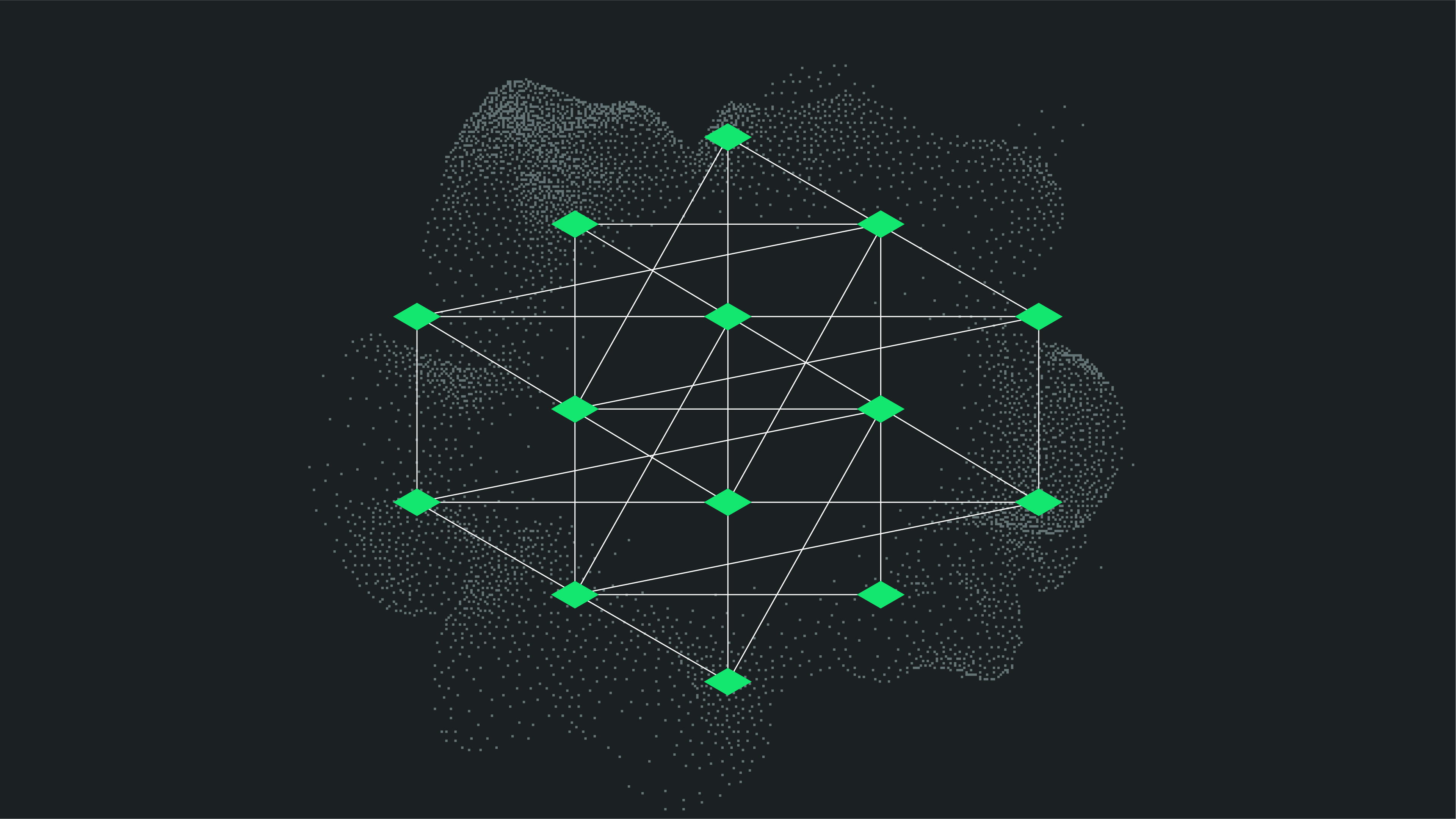
Em uma rede descentralizada, nenhuma entidade isolada detém controle total. Em vez disso, a autoridade é distribuída por vários nós — que podem ser computadores, servidores ou participantes. Cada nó verifica e processa as informações dos outros de forma independente. Isso geralmente é alcançado por meio de protocolos que se baseiam em mecanismos de consenso, como prova de trabalho ou prova de participação em sistemas de blockchain, nos quais os participantes chegam a um acordo sobre um estado compartilhado de dados sem a necessidade de um coordenador central.
Veja, por exemplo, as redes ponto a ponto (p2p), que muitos já devem ter usado ao baixar torrents. Em uma rede P2P, muitas pessoas sem vínculo entre si interagem diretamente umas com as outras — por exemplo, para compartilhar arquivos grandes de forma eficiente — sem depender de um servidor central. Cada nó pode funcionar de forma independente e contribuir igualmente para o funcionamento da rede.
Mas esse modelo descentralizado também traz um grande benefício: se um nó falhar, o sistema continua funcionando sem interrupções, pois há muitos outros nós realizando o mesmo trabalho.
Principais características da descentralização
- Redundância: Sistemas descentralizados são construídos com vários nós que executam funções iguais ou semelhantes. Isso garante que, mesmo que algumas partes da rede fiquem offline, o sistema possa continuar operando.
- Tolerância a falhas: Não há um único ponto de falha, o que torna o sistema mais resiliente a ataques, problemas técnicos ou censura.
- Transparência: Em muitos sistemas descentralizados, as regras de tomada de decisão e as ações são publicamente visíveis e verificáveis.
- Autonomia: Usuários individuais ou nós podem operar de forma independente, sem a necessidade de permissão de uma autoridade central.
Por que a descentralização é importante hoje
A descentralização é mais do que um projeto técnico: é a base para uma nova forma de liberdade e segurança digitais. Em um sistema centralizado, uma empresa ou governo pode alterar regras unilateralmente, restringir o acesso ou coletar e explorar os dados dos usuários. Isso gera riscos de vigilância, censura e abusos de poder.
Os sistemas descentralizados, por outro lado, eliminam esses riscos por natureza. Como nenhuma entidade controla a rede sozinha, fica muito mais difícil para qualquer entidade espionar, censurar ou manipular os usuários. Isso permite que as pessoas mantenham o controle sobre suas próprias informações e comunicações, promovendo uma internet mais privada e equitativa.
Aplicativos de mensagens: exemplos de centralização x descentralização
Para ilustrar a descentralização na prática, considere como os aplicativos de mensagens são estruturados para lidar com seus dados:
WhatsApp: Mensagens centralizadas
Todas as mensagens do WhatsApp são encaminhadas pelos servidores do Facebook. Mesmo que suas mensagens estejam criptografadas, metadados como com quem você conversa, quando e com que frequência são visíveis para o Facebook e, potencialmente, para autoridades governamentais.
Matrix + Element: Mensagens descentralizadas
- Matrix é um padrão aberto para comunicação descentralizada. Qualquer pessoa pode hospedar seu próprio servidor (chamado de “servidor doméstico”) e ainda assim se comunicar com usuários em outros servidores.
- Element é um aplicativo popular que se conecta à rede Matrix.
- Session é um novo aplicativo de mensagens descentralizado baseado em um esquema semelhante ao mixnet e ao roteamento onion.
Ao contrário do WhatsApp, nesses aplicativos de mensagens descentralizados nenhuma empresa detém a propriedade ou controla o sistema. As conversas são federadas entre servidores independentes, e os usuários mantêm o controle sobre onde seus dados são armazenados.
O veredicto da Nym: aplicativos centralizados x descentralizados
Em qualquer modelo centralizado, uma única empresa detém o poder. No modelo descentralizado, a autoridade é distribuída — e sua privacidade e acesso não dependem da confiança em uma única plataforma.
Sempre que possível, a Nym recomenda o uso de plataformas descentralizadas para mensagens, a fim de proteger sua privacidade contra a vigilância de terceiros.
Para garantir que todo o tráfego proveniente do seu dispositivo seja protegido pela mesma infraestrutura descentralizada, considere usar uma VPN descentralizada (dVPN) como a NymVPN.
Aplicações da tecnologia descentralizada
Criptomoedas
Criptomoedas como Bitcoin e Ethereum distribuem o controle do livro-razão entre milhares de participantes, eliminando a necessidade de bancos centrais ou processadores de pagamentos.
Plataformas de mensagens descentralizadas
Como vimos acima, mensageiros como Matrix permitem que as pessoas se comuniquem sem depender de um único provedor de serviços.
Observe que até mesmo o Nym confia nos mensageiros que definem o padrão de ouro para criptografia de ponta a ponta, como Signal, ainda estão centralizados, mesmo que sejam altamente confiáveis e não mantenham registros de metadados do seu tráfego.
VPNs descentralizadas (dVPNs)
As VPNs tradicionais são construídas em infraestruturas centralizadas: servidores únicos, de código fechado e proprietários que lidam com todo o seu tráfego como seu proxy na web. Isso representa um grave risco à segurança: a empresa de VPN pode ver tanto o seu endereço IP quanto o do seu destino na web. Isso significa que a empresa de VPN não pode identificar você diretamente com base em tudo o que você faz online.
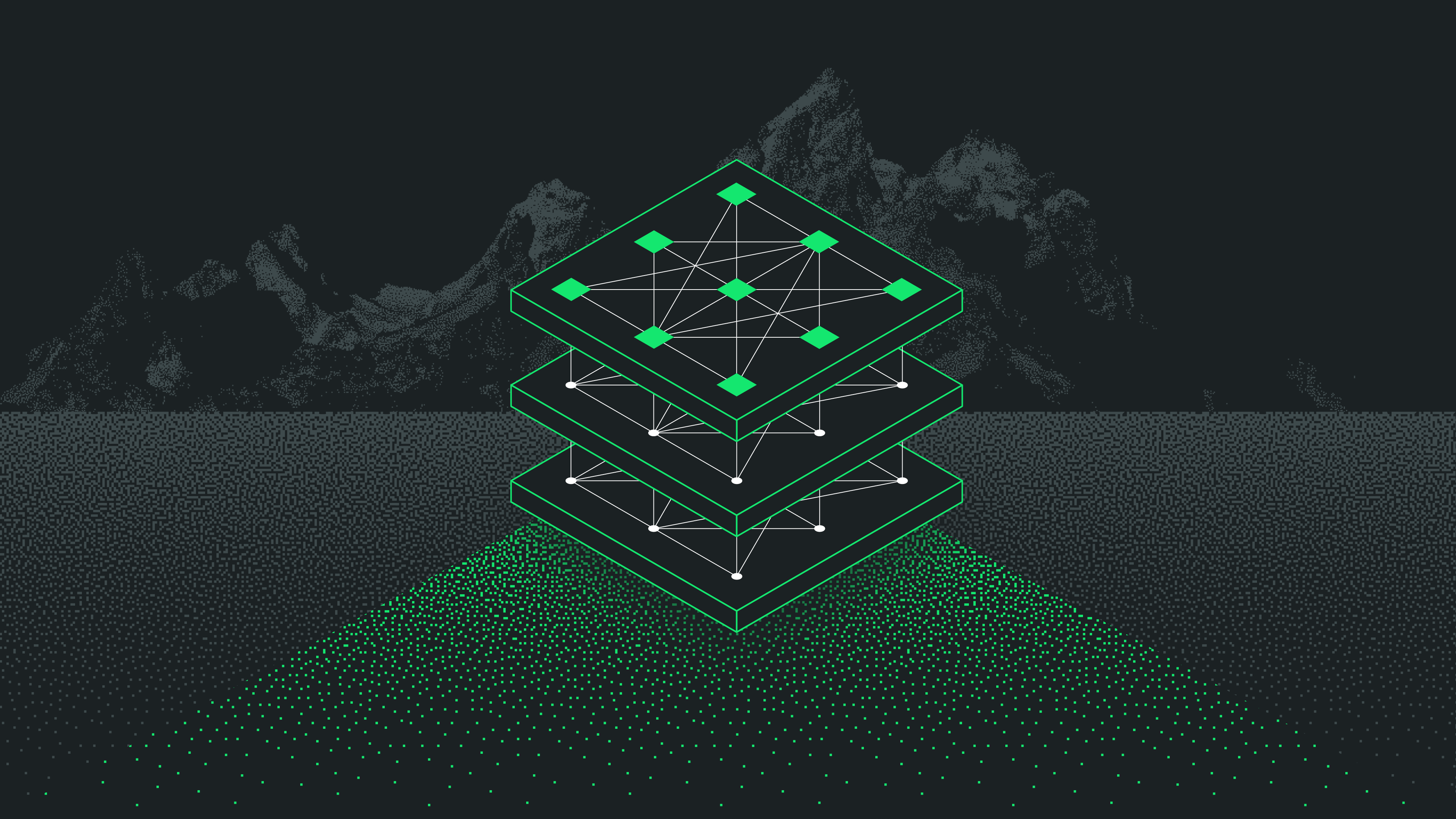
As dVPNs são construídas com base em um modelo diferente para aprimorar a privacidade e a impossibilidade de rastreamento das pessoas. Com uma VPN verdadeiramente descentralizada, nenhum nó intermediário pode associar seu IP ao seu destino, e não deve haver nenhum ponto central de falha onde registros possam vazar ou ser divulgados.
Nilo Gerando Mixnet
Armazenamento distribuído de arquivos
O IPFS e o Filecoin permitem que os usuários armazenem e recuperem arquivos de uma rede de pares, em vez de um provedor de nuvem centralizado.
Redes sociais federadas
O Mastodon permite que cada servidor opere de forma independente, ao mesmo tempo em que interage com a rede mais ampla.
Compromissos e limitações dos sistemas descentralizados
Embora a descentralização ofereça fortes vantagens em termos de segurança e privacidade, ela traz alguns desafios:
-
Desempenho: Sem coordenação centralizada, redes descentralizadas podem ser mais lentas ou mais complexas de manter. Com aplicativos tolerantes à latência, como mensageiros, esse problema de desempenho pode ser quase imperceptível e vale totalmente a pena em troca de proteções muito maiores.
-
Governança: Atualizar ou evoluir protocolos requer consenso, o que pode ser difícil de alcançar.
-
Fragmentação: Sem uma liderança clara, as redes podem se dividir ou se ramificar em sistemas incompatíveis.
-
Responsabilidade do usuário: Os usuários podem ter mais controle, mas também mais responsabilidade — como gerenciar chaves privadas ou escolher servidores confiáveis.
Descentralização e privacidade
A descentralização é fundamental para a construção de uma Internet mais privada e resistente à vigilância. Em arquiteturas centralizadas, governos ou empresas podem monitorar, restringir ou monetizar os dados dos usuários. Sistemas descentralizados reduzem ou eliminam esses riscos ao remover pontos centrais de controle.
No caso do Matrix e de aplicativos de mensagens descentralizados, suas conversas e metadados podem permanecer em um servidor que você controla ou no qual confia. Federação significa que, mesmo que um servidor censure conteúdo ou seja desativado, os usuários podem migrar ou se comunicar por meio de outros servidores. Isso está alinhado com princípios mais amplos de privacidade: limitar a vigilância, fortalecer a escolha individual e reduzir a concentração de poder de um determinado agente sobre a rede.
Descentralização: Perguntas frequentes
A descentralização pode ser física (nós distribuídos), de governança (votação da comunidade via DAO) e sem permissão. A Nym combina os três — qualquer pessoa pode operar um nó de mixagem ou votar em atualizações do protocolo —, reduzindo o controle centralizado.
A redundância garante que, se alguns nós ficarem offline, o tráfego possa ser roteado por outros sem interrupção — mantendo o tempo de atividade e a resiliência mesmo em caso de falha na rede.
A descentralização aumenta a resiliência e a transparência, mas pode trazer desafios de coordenação, variabilidade de latência e complexidades de governança em comparação com configurações centralizadas.
A Nym mantém código-fonte aberto, implantações auditadas publicamente e um modelo de reputação e staking na cadeia — garantindo que as identidades dos nós, o comportamento e a governança do protocolo sejam visíveis e verificáveis.
A Nym emprega um remanejamento a cada hora das camadas de mixnodes e uma pontuação de reputação ponderada pela participação para evitar a concentração de poder de roteamento e manter a atribuição distribuída de nós.
A descentralização não é apenas um conceito
É assim que a Nym protege sua privacidade por design.

Sobre os autores
Pedro Sydenstricker
Escritor da ComunidadeCasey Ford. PhD
Revisor técnicoTabela de conteúdos
Continuar lendo...
Nym é mais do que uma VPN
O primeiro aplicativo que protege você contra a vigilância por IA graças a uma mixnet geradora de ruído
Os melhores dApps para privacidade, mensagens, DeFi e resistência à censura em 2025
DApps com privacidade incorporada para mensagens, DeFi e armazenamento — testadas em crises globais